

International waste management NGO WasteAid is cooperating with the distribution and services group Bunzl to create jobs in waste collection for young people in Douala, Cameroon.
The project aims to fight poverty and contribute to waste reduction and recycling in the coastal city.
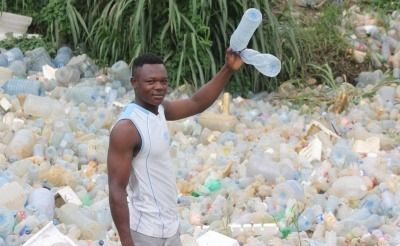
Alongside partners Bunzl and RED-PLAST, WasteAid will oversee the recruitment and training of 30 young entrepreneurs to gather the plastic waste from the market areas of Sandaga, Congo, Maképé and Bépanda, as well as rerouting it away from waterways and the ocean.
Bunzl’s Head of Sustainability, James Pitcher, commented: “The lack of waste collection in Douala is a major cause of environmental concern, with plastic waste blocking drains and filling riverbeds close to the Atlantic coast.
“WasteAid has been working in Douala to engage young unemployed people in the collection and recycling of plastic waste since 2019, and we are delighted to be building on their positive impact through this 12-month partnership.”
In collaboration with the Douala community – the local municipality, stallholders, local businesses and market managers – the trainees will collect eight tonnes of plastic by the end of 2021, including plastics such as PET, PP, PE, and PVC.
They will go on to sell these plastics to existing local re-processors, thus keeping it in the recycling loop and strengthening reuse systems in the area.
WasteAid and Bunzl are aiming to address Douala’s solid waste management concerns and its high rates of unemployment. Currently, one-third of economically active youth in the area are out of work.
Angela McDermott, Head of Programmes and Impact at WasteAid, said: “The nascent recycling industry in Cameroon can provide dignified jobs and generate much-needed income, while cleaning the environment and preventing pollution.
“With Bunzl’s support, we are able to develop targeted interventions that provide long-term opportunities for vulnerable young people.”
WasteAid’s Chief Executive, Ceris Turner-Bailes said: “We are grateful to Bunzl plc for supporting another intervention that demonstrates the long-term benefits of sustainable waste management, particularly for communities that suffer from a poor environment and high levels of unemployment.
“Collecting and preparing plastic waste for recycling creates green jobs and reduces dependence on open dumping and burning, providing important health and economic benefits where they are most needed.”
The initiative supports a number of the United Nations’ Sustainable Development goals: Decent work and economic growth (SDG 8); Industry, innovation, and infrastructure (SDG 9); Sustainable cities and communities (SDG 11); Responsible consumption and production (SDG 12); Climate action (SDG 13); Life below water (SDG 14); and Partnerships for the goals (SDG 17).


Get our weekly digest
resource.co article ai

How will the government and DMOs address the challenges of including glass in DRS while ensuring a level playing field across the UK?
There's no easy solution to include glass in the DRS while maintaining a level playing field. Potential approaches include a phased introduction of glass, potentially with higher deposits to reflect its logistical challenges. The government and DMOs could incentivise innovation in glass packaging design and subsidise dedicated return points for glass-handling. Exemptions for smaller businesses unable to handle glass might also be necessary. Any successful solution will likely blend several approaches. It must address the differing priorities of devolved administrations, balance environmental benefits with logistical and cost implications, and be supported by robust consumer education campaigns emphasizing the importance of glass recycling.