

Glass industry trade body says Wales’s plan to include glass in its deposit return scheme could fragment supply chains and push producers away from glass.
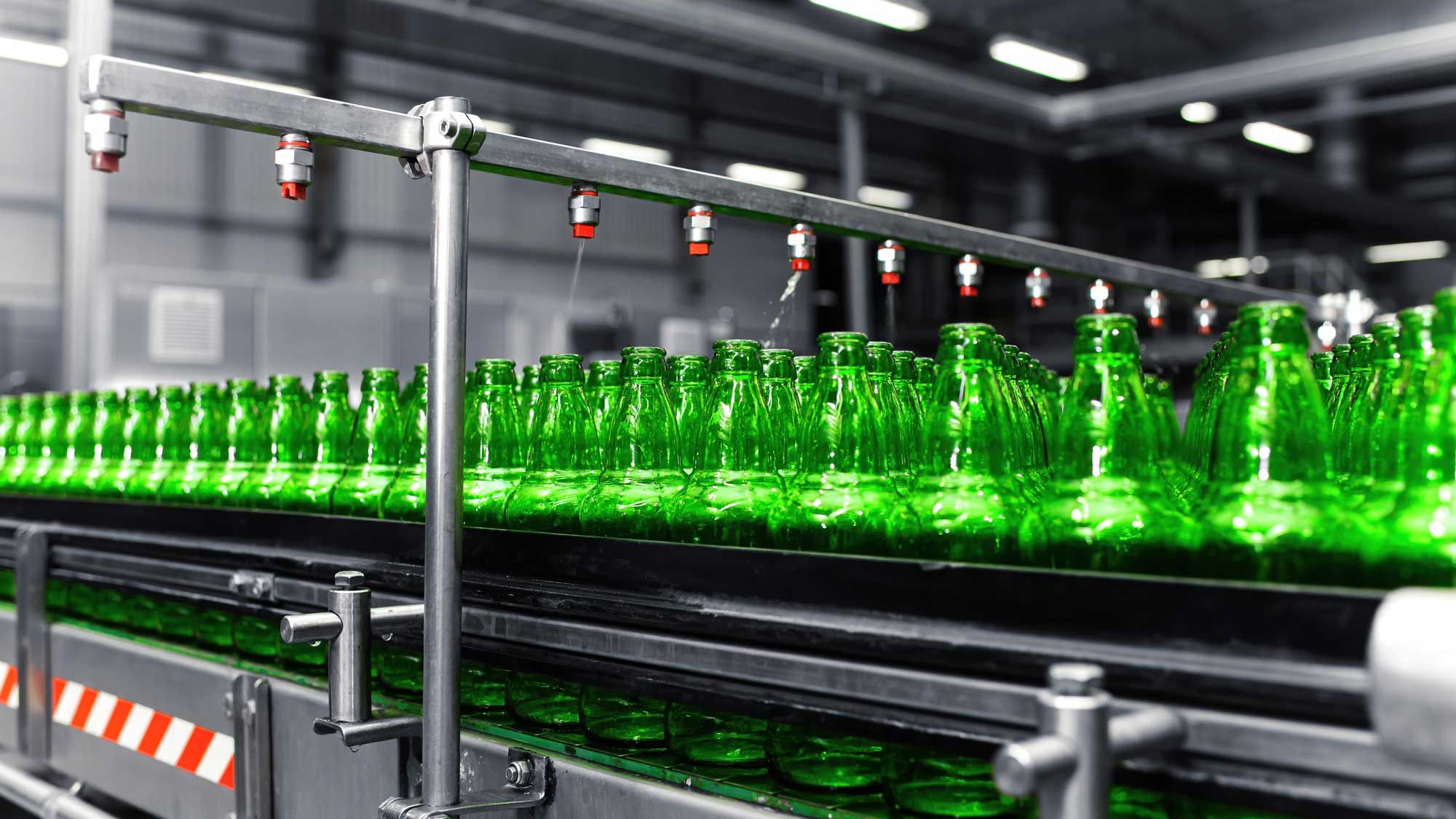
British Glass has written directly to Welsh First Minister Eluned Morgan warning that Wales risks creating disruption for consumers, businesses and recycling systems if it becomes the only UK nation to include glass beverage packaging in its deposit return scheme.
In an open letter published on 11 March, supported by the Wine and Spirit Trade Association, the Society of Independent Brewers and Associates, Welsh wine body Gwin Cymru and glass insulation manufacturer Knauf Insulation, it sets out “significant concerns” about the proposed Deposit Scheme for Drinks Containers (Wales) Regulations 2026.
The regulations, which would require Wales to include glass beverage containers in its DRS from October 2027, place Wales on a different path from England, Scotland and Northern Ireland, all of which have opted to exclude glass from their schemes.
Dr Nick Kirk, federation director of British Glass, said the proposals risk creating a two-tier system across the UK.
“Wales is on the brink of becoming the only nation in the UK with a completely different approach to collecting glass by including glass beverage packaging in a deposit return scheme,” he said. “This risks creating major disruption for producers supplying drinks across the UK. In practical terms, businesses may be forced to introduce Wales-only packaging or labels, increasing costs and complexity across the entire supply chain.”
Consumer costs
Kirk warned that the additional costs and operational barriers would ultimately be passed on to consumers. Welsh shoppers could end up paying more for glass-packaged products, he said, or see certain drinks disappear from the market entirely. He also raised the possibility that producers would switch away from glass into other packaging materials to avoid the complexity of a separate Welsh system.
“Even more concerning is the risk that producers shift away from glass into other packaging materials simply to avoid the complexity,” he said. “That would be a backwards step environmentally.”
British Glass also raised questions about unresolved details in the regulations. It is unclear how producers would fund glass collection during a transition period in which glass containers carry a zero-pence deposit, a provision that runs from October 2027 to September 2031. The organisation questioned whether glass producers would still face extended producer responsibility fees under pEPR while other materials within the DRS are exempt, and how kerbside collections would interact with a deposit-managed system.
The trade body said the proposals could also undermine Wales’s existing glass recycling infrastructure. Glass recycling in Wales currently operates through kerbside collections that feed into what British Glass described as an effective closed-loop remelt system. The organisation argued that routing beverage glass through a DRS instead of kerbside would change who controls the glass stream rather than the material itself, but could reduce the volumes flowing through existing local authority collections and weaken the economics that sustain remelt infrastructure in Wales.
Call for pause ahead of Senedd election
The letter follows an earlier intervention from British Glass raising concerns with Senedd committees scrutinising the regulations. The organisation is now calling for a short pause until after the Senedd election on 7 May to allow proper scrutiny by a newly mandated parliament, clarification of producer obligations and costs, a Wales-specific impact assessment and a transparent UK Internal Market Act exclusion process.
The Welsh Government secured an exclusion from the UK Internal Market Act in February, enabling it to proceed with including glass despite the divergence from other UK nations. Forty-nine of 56 deposit return schemes worldwide include glass.
Kirk said British Glass supports the introduction of a DRS for plastic, steel and aluminium drinks containers from 2027, but that alignment across the UK on glass is essential.
“Introducing a separate Welsh approach for glass beverage packaging risks creating confusion, unnecessary costs and serious unintended consequences for businesses and consumers alike,” he said. “We want to work constructively with the Welsh Government to deliver a deposit return scheme that supports environmental ambition without damaging supply chains, distorting packaging choices or putting Welsh consumers at a disadvantage.”




Get our weekly digest
resource.co article ai

How will the government and DMOs address the challenges of including glass in DRS while ensuring a level playing field across the UK?
There's no easy solution to include glass in the DRS while maintaining a level playing field. Potential approaches include a phased introduction of glass, potentially with higher deposits to reflect its logistical challenges. The government and DMOs could incentivise innovation in glass packaging design and subsidise dedicated return points for glass-handling. Exemptions for smaller businesses unable to handle glass might also be necessary. Any successful solution will likely blend several approaches. It must address the differing priorities of devolved administrations, balance environmental benefits with logistical and cost implications, and be supported by robust consumer education campaigns emphasizing the importance of glass recycling.