

Rigid plastic packaging producer and recycler Plastipak has teamed up with anaerobic digestion (AD) operator BioteCH4 to power its Clean Tech polyethylene terephthalate (PET) recycling plant.
Based in Hemswell, Lincolnshire, the AD plant recycles over 90,000 tonnes of food waste per year, using acidogenic bacteria to break down the organic matter into various biogases.
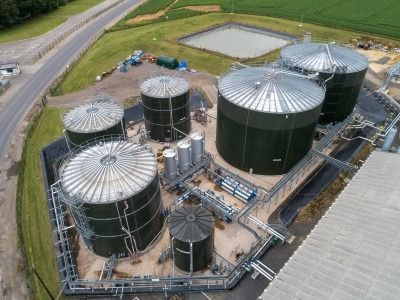
Following the establishment of this partnership, the renewable energy produced by BioteCH4’s AD plant through the CHP process will be used to power Plastipak’s neighbouring recycling facility.
Clean Tech, wholly owned by Plastipak, recycles more than 80,000 tonnes of post-consumer PET bottles and packaging per year, collected through the kerbside recycling system.
The food-grade recycled resin produced at Clean Tech is used to manufacture new PET preforms, bottles and containers for fast-moving consumer goods (FMCG) brands at Plastipak’s plant in North Wales.
This process is known as bottle-to-bottle recycling, and keeps the PET plastic in a closed loop, so it can be recycled multiple times.
Recycled PET resin has a lower carbon footprint than virgin resin and is used as a direct replacement in new bottles, with proportions ranging from 25 to 100 per cent.
Leading FMCG brands have long-term commitments to the use of recycled PET, driven by a combination of corporate social responsibility (CSR) policies, legislation and voluntary commitments such as the UK Plastics Pact.
The UK Plastics Pact provides a framework for businesses to achieve recycling targets -- the roadmap outlines various actions that can be taken across the supply chain in order to reduce plastic waste.
On the partnership, Managing Director of Clean Tech, Chris Brown, said: “The use of clean, green energy generated through the recycling of food waste fits perfectly with Clean Tech and Plastipak’s ethos of plastic closed-loop recycling.
“In their own rights, Clean Tech and BioteCH4 are perfect examples of the circular economy in action, and this is a pragmatic yet unique partnership that combines the core activities of both companies to deliver a leading, low carbon end product of recycled PET resin”
Sam Tingle, Marketing and Brand Manager of BioteCH4, commented: “As one of the leading anaerobic digestion operators in the UK, we have the knowledge and experience to deal with considerable volumes of food waste generated across a variety of business sectors and local authorities.
“We are delighted to partner with Clean Tech and look forward to a long and fruitful relationship.”


Get our weekly digest
resource.co article ai

How will the government and DMOs address the challenges of including glass in DRS while ensuring a level playing field across the UK?
There's no easy solution to include glass in the DRS while maintaining a level playing field. Potential approaches include a phased introduction of glass, potentially with higher deposits to reflect its logistical challenges. The government and DMOs could incentivise innovation in glass packaging design and subsidise dedicated return points for glass-handling. Exemptions for smaller businesses unable to handle glass might also be necessary. Any successful solution will likely blend several approaches. It must address the differing priorities of devolved administrations, balance environmental benefits with logistical and cost implications, and be supported by robust consumer education campaigns emphasizing the importance of glass recycling.