

Biffa has today (20 January) announced that it has signed a multi-million-pound partnership with Esterform Packaging, with Biffa set to provide the company with 6,000 tonnes of recycled plastic each year.
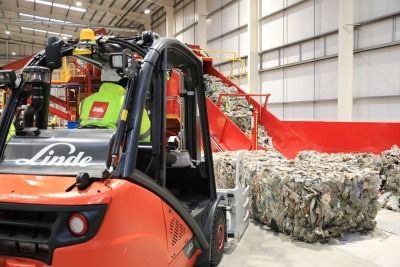
The recycled PET plastic to be used in Esterform’s factories in Leeds and Worcestershire is processed at Biffa’s Seaham facility in County Durham, which has a capacity for recycling more than two billion bottles each year.
Chris Hanlon, Biffa’s commercial director – polymers, said: "We’re delighted to be working alongside Esterform who share our passion for creating a ‘circular economy’, a system where materials are recycled for as long as possible.”
"We look forward to a long and successful partnership as we continue to work with them to grow the recycled content of their PET bottles.”
Mark Tyne, managing director of Esterform, added: “Biffa’s recycled plastic is a great product, so we’re delighted to have secured this deal with them.
"PET is a very robust, flexible material that we use to produce containers that are light, resealable, safe and strong, and which can be recycled many times to make more new bottles in the future."
From this year, packaging producers in the UK will be required to use at least 30 per cent recycled plastic in their products to avoid the new plastic packaging tax. HMRC recently released guidance on categories of plastic packaging included within the scope of the tax.
The tax was originally announced in 2018, with the police set to come into force in April of this year. Set at £200 per tonne, it will apply to all domestically-manufactured or imported packaging containing less than 30 per cent recycled content.
In the 2020 budget, Chancellor Rishi Sunak set a minimum threshold for the tax at 10 tonnes of packaging produced per year to protect small businesses from disproportionate charges.


Get our weekly digest
resource.co article ai

How will the government and DMOs address the challenges of including glass in DRS while ensuring a level playing field across the UK?
There's no easy solution to include glass in the DRS while maintaining a level playing field. Potential approaches include a phased introduction of glass, potentially with higher deposits to reflect its logistical challenges. The government and DMOs could incentivise innovation in glass packaging design and subsidise dedicated return points for glass-handling. Exemptions for smaller businesses unable to handle glass might also be necessary. Any successful solution will likely blend several approaches. It must address the differing priorities of devolved administrations, balance environmental benefits with logistical and cost implications, and be supported by robust consumer education campaigns emphasizing the importance of glass recycling.