

Waste operator reports surge in incorrect vape disposals, calling for government action to address £1 billion annual cost of battery-related fires to waste industry
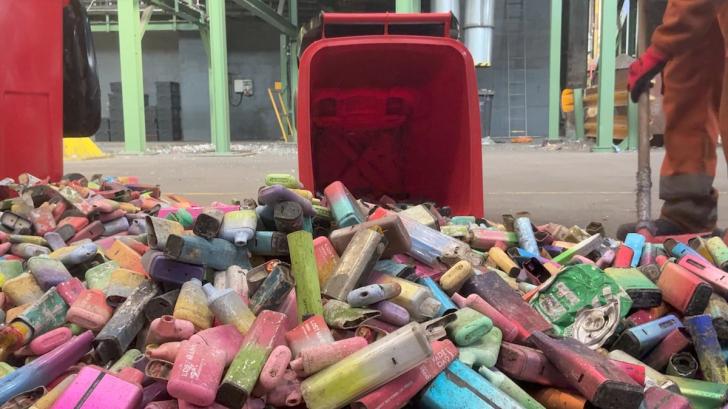
Biffa has called on the UK Government to introduce kerbside collection services for disposable vapes, as it reports a 70 per cent increase from last year in fires related to batteries and electronic devices.
The waste operator recorded 60 battery and WEEE-related fires across its UK recycling facilities in June alone, with 4-5 fires occurring daily in refuse collection vehicles nationwide.
Research shows lithium-ion batteries are responsible for nearly half of all waste fires annually in the UK. The National Fire Chiefs Council reported over 1,200 fires in bin lorries and waste sites last year, up 71 per cent from 700 incidents in 2022.
"The UK is facing a growing epidemic of battery-related fires in both bin lorries and at waste management facilities which threatens lives, communities, vital infrastructure, and the environment," said Maxine Mayhew, Biffa's chief operating officer. "It's costing the waste industry £1 billion a year."
Despite the single-use vape ban taking effect on 1 June 2025, Biffa reported a 7 per cent increase in incorrect vape disposals across its UK facilities during June and July. At its Teesside MRF, incorrect disposal rose by 24 per cent, with 232,500 of the recently banned devices placed in recycling bins rather than designated disposal points.
At the company's Wakefield operations, almost 85 tonnes of batteries and electrical items were incorrectly disposed of during 2024/25, resulting in 46 fires at the South Kirkby recycling facility and five bin lorry fires.
"The UK is facing a growing epidemic of battery-related fires in both bin lorries and at waste management facilities which threatens lives, communities, vital infrastructure, and the environment," added Mayhew.
Fire risks from lithium-ion batteries
Approximately 5 million disposable vapes are thrown away in the UK every week, a significant increase from 1.3 million the previous year, according to Material Focus. Of the 13.5 million vapes bought weekly in 2024, 8.2 million are binned or wrongly recycled. The annual cost of collecting and recycling disposed vapes is estimated at £200 million, which Material Focus claims is not being adequately covered by producers and retailers.
Lithium-ion batteries in vapes and other items can overheat and ignite when exposed to heat, damage or crushing during waste collection and processing.
Highlighting the ongoing problem, Mayhew said: "Whether discarded in a recycling bin, black bin bags at home, or litter bins out and about - on their own or hidden inside electronic devices – batteries wreak havoc when they are not disposed of at a specialist takeback point, or at a supermarket or any other designated location.”
The Environmental Services Association has previously warned that waste fires can burn for days or weeks, causing extensive environmental damage through harmful greenhouse gas emissions, water pollution from firefighting runoff and disrupt transport links.
Vape disposal issues remain despite regulatory changes
Biffa's data suggests disposal behaviour has not shifted since the June ban, with incorrect vape disposals continuing to rise.
"Vapes, in particular, have risen in popularity in recent years, but disposal behaviour hasn't caught up with the trend, with many of them being discarded in any nearby bin or even littered on the ground," Mayhew added. "This is too often because of a lack of understanding of the fire hazard lithium batteries hidden in these items pose even when they appear to have run out of charge."
Material Focus has warned that producers are creating new "big puff" alternatives to avoid restrictions. The charity reports that 3 million big puff vapes are now purchased weekly, some containing up to 6,000 puffs compared to 600 in traditional single-use models. Already, 63 per cent of all vape puffs come from these devices, which are most popular among 16–24 year olds, with nearly half in this age group using them.
Recent updates to WEEE regulations updated vapes classification from "toys" to their own specific category. Vape sellers are now required to operate in-store take-back schemes. Research by Material Focus shows that over 90 per cent of vape producers and retailers are not fulfilling their statutory obligations to provide and pay for takeback and recycling services.
Of 764 retailers surveyed across 13 UK cities, only 86 stores provided recycling points.
"Vapes and lithium batteries must be disposed of at Household Waste Recycling Centres, or in a vape recycling bin often found at your local supermarket store, or taken back to the shop where they were brought," Mayhew explained. "In some areas, the Local Authority will also offer a battery collection service, but this is not UK wide."


Get our weekly digest
resource.co article ai

How will the government and DMOs address the challenges of including glass in DRS while ensuring a level playing field across the UK?
There's no easy solution to include glass in the DRS while maintaining a level playing field. Potential approaches include a phased introduction of glass, potentially with higher deposits to reflect its logistical challenges. The government and DMOs could incentivise innovation in glass packaging design and subsidise dedicated return points for glass-handling. Exemptions for smaller businesses unable to handle glass might also be necessary. Any successful solution will likely blend several approaches. It must address the differing priorities of devolved administrations, balance environmental benefits with logistical and cost implications, and be supported by robust consumer education campaigns emphasizing the importance of glass recycling.