

UK waste management company Biffa has announced the acquisition of Esterpet Ltd, a PET plastic recycler based in North Yorkshire. This acquisition builds on Biffa's existing capabilities in closed-loop food-grade plastic recycling.
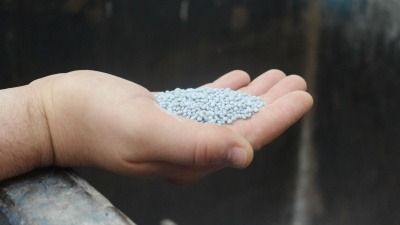
Esterpet's recycling facility, located near Leeds, converts 25,000 tonnes of plastic flakes each year into high-purity plastic pellets, which are then used to create new plastic bottles for beverages, cosmetics, and household goods.
Currently, Biffa converts 165,000 tonnes of plastic each year into high-quality recycled polymers at its plants in Seaham, Redcar, and Washington. Alongside the acquisition of Esterpet, Biffa has also made a minority investment in Esterform, a leading manufacturer of PET preforms.
Phil Goodier, Polymers Managing Director at Biffa, commented: “At Biffa, we are dedicated to playing our part in delivering a net zero, circular economy and it is vital that we continue to develop and invest in recycling infrastructure which can reduce the UK’s dependency on the export of plastics for recycling.
“Biffa Polymers provides solutions for the majority of post-consumer rigid plastic packaging, using the best available recycling technology to produce raw materials that are a substitute for virgin plastic packaging.
“The acquisition of Esterpet is another step forward for the business, further enhancing our capability in recycled PET at a time when demand for our solutions is growing significantly, as consumers and regulators demand more sustainable alternatives.”


Get our weekly digest
resource.co article ai

How will the government and DMOs address the challenges of including glass in DRS while ensuring a level playing field across the UK?
There's no easy solution to include glass in the DRS while maintaining a level playing field. Potential approaches include a phased introduction of glass, potentially with higher deposits to reflect its logistical challenges. The government and DMOs could incentivise innovation in glass packaging design and subsidise dedicated return points for glass-handling. Exemptions for smaller businesses unable to handle glass might also be necessary. Any successful solution will likely blend several approaches. It must address the differing priorities of devolved administrations, balance environmental benefits with logistical and cost implications, and be supported by robust consumer education campaigns emphasizing the importance of glass recycling.