

SPONSORED CONTENT
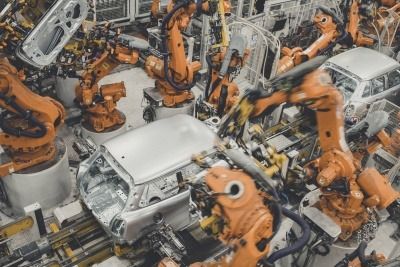
Axil Integrated Services has signed a new five-year contract with leading automotive manufacturer BMW Group to re-engineer its waste management systems, introducing changes to chemical, technical, and logistical processes across all manufacturing and corporate sites in the UK, spanning BMW, MINI, and Rolls Royce.
These improvements involve several initiatives that deliver real innovation and are designed to optimise the handling, segregation, and management of waste. Axil will capture waste data to allow for improved waste streams to be traced throughout the entire manufacturing process and develop waste remediation.
Axil’s partnership with BMW Group will continue to implement strategies to support a circular economy, accelerating progress with the introduction of:
- Waste-capturing technology to track and attribute waste to specific areas of the business and better understand where to build in efficiencies
- A relief mobile operative support team that will staff and man sites, allowing for smooth operation of waste management activities throughout the partnership
Jason Lang, Commercial Director, Axil Integrated Services, said: “BMW Group is a pioneer of innovation, including in its approach to sustainability. We’re thrilled to be partnering with the team to reengineer waste streams to drive an increase in recycling and waste remediation.
“Businesses today, particularly in the manufacturing sector, are facing unprecedented economic strain, but partnerships like this one are crucial to ensuring we maintain momentum on reaching ESG ambitions across the industry. It’s great for Axil to assist this essential progress in such a bold way.”
More information can be found on Axil Integrated Services' website.


Get our weekly digest
resource.co article ai

How will the government and DMOs address the challenges of including glass in DRS while ensuring a level playing field across the UK?
There's no easy solution to include glass in the DRS while maintaining a level playing field. Potential approaches include a phased introduction of glass, potentially with higher deposits to reflect its logistical challenges. The government and DMOs could incentivise innovation in glass packaging design and subsidise dedicated return points for glass-handling. Exemptions for smaller businesses unable to handle glass might also be necessary. Any successful solution will likely blend several approaches. It must address the differing priorities of devolved administrations, balance environmental benefits with logistical and cost implications, and be supported by robust consumer education campaigns emphasizing the importance of glass recycling.