

The Association of Convenience Stores (ACS), which represents over 33,500 local UK shops – including Morrisons and the Co-op – has announced that it will be joining WRAP’s UK Plastics Pact.
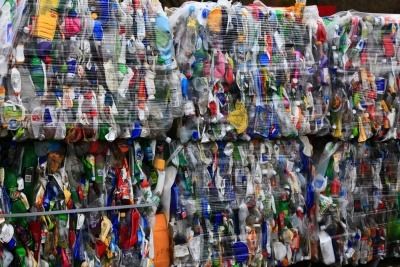
Bringing together businesses across the plastics value chain with UK governments and NGOs, the UK Plastic Pact aims to tackle plastic waste by creating a circular economy for plastics – capturing their value by ‘keeping them in the economy and out of the natural environment’.
According to the the pact, its four main objectives for 2025 are:
1. Eliminating problematic or unnecessary single-use packaging through redesign, innovation or alternative (reuse) delivery model.
2. 100 per cent of plastics packaging to become reusable, recyclable or compostable.
3. 70 per cent of plastics packaging is effectively recycled or composted.
4. There is an average of 30 per cent recycled content across all plastic packaging.
An objective for pact members is to eliminate ‘problematic plastics’, reducing the total amount of packaging on supermarket shelves, and potentially promoting innovation and new business models to build a stronger recycling system in the UK.
Ensuring that plastic packaging is designed so it can be easily recycled and made into new products and packaging is at the core of the initiative and, with the support of governments, goals for consistent UK recycling could be met.
ACS chief executive James Lowman said: “Local shops play a crucial role in the levelling up agenda, providing essential products and services to communities that in some cases would otherwise be without a local grocery offering at all.
“These are businesses that are embedded in their communities, as job creators, investors, social hubs and much more. When the Government considers the best way to level up local communities, thriving convenience stores should be central to their plans.
“We are committed to working with WRAP and other environmental groups on finding ways to make the products that our members sell more recyclable. The convenience sector is currently facing huge challenges through a range of different policy interventions across the UK, including bans on some single use plastics, the introduction of differing deposit return schemes in different countries, and the expansion of the extended producer responsibility scheme – it is important that we introduce measures that will be maximally effective without imposing unnecessary costs and burdens on retailers.”


Get our weekly digest
resource.co article ai

How will the government and DMOs address the challenges of including glass in DRS while ensuring a level playing field across the UK?
There's no easy solution to include glass in the DRS while maintaining a level playing field. Potential approaches include a phased introduction of glass, potentially with higher deposits to reflect its logistical challenges. The government and DMOs could incentivise innovation in glass packaging design and subsidise dedicated return points for glass-handling. Exemptions for smaller businesses unable to handle glass might also be necessary. Any successful solution will likely blend several approaches. It must address the differing priorities of devolved administrations, balance environmental benefits with logistical and cost implications, and be supported by robust consumer education campaigns emphasizing the importance of glass recycling.