

Waste Electrical and Electronic (WEEE) reuse specialist, the Appliance Recycling Group, has announced that it will continue to partner with the Reuse Network, providing white goods worth £100,000 for low-income households. This ongoing charitable support will help to reduce carbon emissions and improve access to affordable good-quality electrical appliances.
The renewal of this charitable donation to the Reuse Network will boost not only stock of the Network’s members, but also cash flow, increasing the number of organisations able to draw on this support.
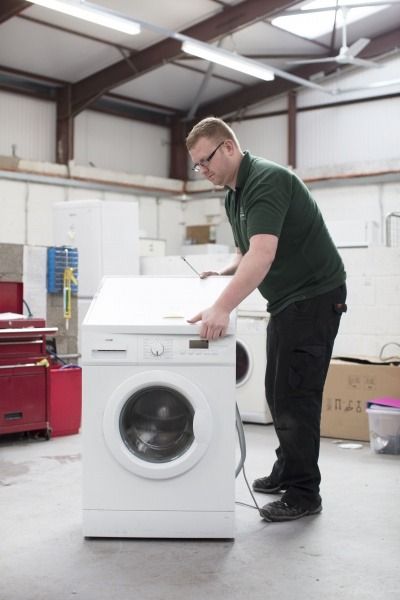
The two organisations have collaborated since 2021 on the redistribution of electrical items. The Appliance Recycling Group works with manufacturers, retailers and local authorities to collect and reuse over 60,000 domestic appliances each year. In 2023 alone, the organisation donated 261 white goods, which helped 209 households save nearly £40,000 compared to buying these items brand new.
James Farmer, Managing Director at The Appliance Recycling Group, commented: “Through our strategic donations model, this agreement will see a regular supply of stock for Reuse Network members. The commercial value of this commitment is more than £250,000 per annum, which equates to £100,000 of social value worth. The aim of this agreement is not only to supply much-needed stock to Reuse Network’s valued members but also to get the tills ringing which in turn will support even more people.”
Through the reuse of goods such as washing machines and fridges, reuse charities enable low-income groups to sustainably source essential household appliances. In addition, reuse charities and social enterprises provide advice, support and opportunities, helping the most marginalised and vulnerable members of their communities tackle issues ranging from debt to unemployment.
Hannah Jordan, Commercial Manager at Reuse Network, said: “The support of The Appliance Recycling Group has already proven invaluable to us through the social impact the donations have on local communities. Despite the current climate, the reuse sector continues to step-up to ensure that low-income households have access to the affordable items they need to live comfortably.
“We are looking forward to seeing this partnership grow in 2024 through the reuse of white goods items which will contribute to building a society where everyone can create a sustainable home.”
Farmer added: “The work that the team at Reuse Network are doing really resonates with The Appliance Recycling Group… the work that reuse charities do to protect and support society's most vulnerable should not be taken for granted – charities are businesses and cashflow is key in ensuring that these charities can continue supporting local people.”


Get our weekly digest
resource.co article ai

How will the government and DMOs address the challenges of including glass in DRS while ensuring a level playing field across the UK?
There's no easy solution to include glass in the DRS while maintaining a level playing field. Potential approaches include a phased introduction of glass, potentially with higher deposits to reflect its logistical challenges. The government and DMOs could incentivise innovation in glass packaging design and subsidise dedicated return points for glass-handling. Exemptions for smaller businesses unable to handle glass might also be necessary. Any successful solution will likely blend several approaches. It must address the differing priorities of devolved administrations, balance environmental benefits with logistical and cost implications, and be supported by robust consumer education campaigns emphasizing the importance of glass recycling.