

Collaboration between clean technology firm partners and UKBIC demonstrates “full battery circularity” using recovered cathode materials from end-of-life vehicles.
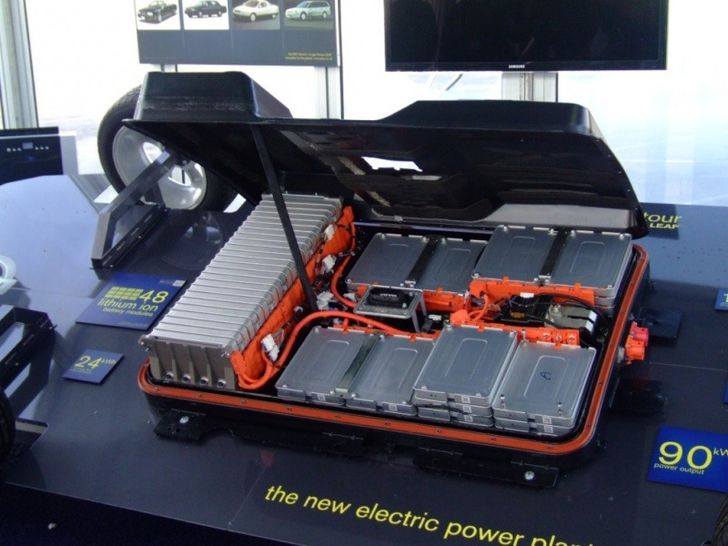
Clean technology group, Altilium, has announced the production of the UK’s first electric vehicle (EV) battery cells from recycled cathode active materials (CAM) at the UK Battery Industrialisation Centre (UKBIC) in Coventry.
The pouch cells were manufactured using Altilium’s recycled EcoCathode CAM, which was produced at the company’s ACT1 recycling facilities in Devon. The battery cells will now undergo comprehensive validation studies with an automotive original equipment manufacturer (OEM).
Dr Christian Marston, Altilium co-founder and Chief Operating Officer, said: "This milestone marks the first time full battery circularity has been achieved in the UK, from recovering critical minerals, including lithium, from end-of-life EV batteries and upcycling them into a high-performance cathode, to manufacturing a new battery for validation with a leading UK automotive OEM."
Altilium’s EV battery recycling process
Altilium’s recycling process begins with the dismantling and shredding of end-of-life EV batteries to produce a fine powder known as black mass. This material is then processed using the company’s chemical refining EcoCathode technology, which it suggests can recover over 95 per cent of the critical battery materials, including lithium, cobalt, nickel, and graphite.
The recovered cathode materials are subsequently upcycled to produce a high-nickel NMC 811 CAM, which is ready for re-use in new batteries.
Analysis of Altilium’s recycled materials has shown improvements in quality compared to mined materials, with research from Imperial College London indicating that the recycled EV batteries could potentially enable longer battery life, faster charging times and lower costs.
The ability to adjust the recycled CAM also allowed researchers to customise the outcomes, including developing nickel-rich and cobalt-free formulations.
"Through this collaboration with UKBIC, we are moving beyond the emerging black mass recycling industry and ensuring that these critical battery materials remain in the domestic supply chain," Dr Marston commented on the results of the partnership.
Ameir Mahgoub, UKBIC’s Head of Product Engineering, added: “This pioneering project could be just the start of a journey that sees the UK becoming less reliant on imported materials and create a new market in recycled EV batteries. We look forward to collaborating with Altilium on this exciting project as they take it forward.”
In January, Altilium received a $5 million investment from Japanese trading and investment group, Marubeni, into its Teeside battery recycling plant, which is expected to process waste from 150,000 vehicles and produce 30,000 tonnes of CAM once operational.


Get our weekly digest
resource.co article ai

How will the government and DMOs address the challenges of including glass in DRS while ensuring a level playing field across the UK?
There's no easy solution to include glass in the DRS while maintaining a level playing field. Potential approaches include a phased introduction of glass, potentially with higher deposits to reflect its logistical challenges. The government and DMOs could incentivise innovation in glass packaging design and subsidise dedicated return points for glass-handling. Exemptions for smaller businesses unable to handle glass might also be necessary. Any successful solution will likely blend several approaches. It must address the differing priorities of devolved administrations, balance environmental benefits with logistical and cost implications, and be supported by robust consumer education campaigns emphasizing the importance of glass recycling.