

A recent survey conducted by The Environment Agency (EA) has uncovered evidence suggesting that nearly a fifth of all waste in England may be illegally disposed of.
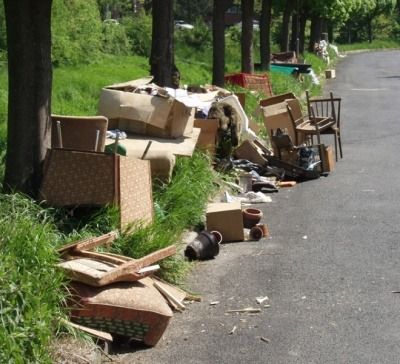
The survey, which involved informed stakeholders, reveals that approximately 18 per cent of waste in England is falling into the hands of criminals, stressing the urgent need for action to bring perpetrators to justice and safeguard both the environment and the economy.
The figure accounts for approximately 34 million tonnes of waste across England annually, enough to fill up to an estimated 4 million skips.
The survey looked at a range of waste crimes, including the burning, fly-tipping, misdescription and illegal shipping of waste, alongside the operation of illicit waste sites
Industry research indicates that waste crime results in a cost of £1 billion on the English economy each year, stemming from various factors such as landfill-tax evasion, environmental and social damage and the erosion of legitimate business prospects.
The EA highlights the economic benefits of increased enforcement resourcing. In a 2020 report, the agency uncovered that every additional £1 spent on waste enforcement would yield an estimated £4.96 back into the legitimate economy.
The EA’s findings offer the necessary evidence for the agency to update and refine its enforcement methods in response to the ever-changing tactics employed by waste criminals. Dismantling criminal activity within the waste sector remains one of its top priorities.
Steve Molyneux, the EA’s strategic lead on waste regulation, commented: “Waste criminals put us all at risk every time they break the law. Their toxic crimes cause widespread and significant harm to people, places and the economy.”
“The Environment Agency is facing well-resourced, highly organised criminals whose crimes stretch beyond the waste sector to include human trafficking, drugs and money laundering.”
“We know crime in the waste sector is rife and this survey provides us with the evidence we need to help us stay one step ahead of the criminal gangs.”
During the 2021/22 financial year, the EA adopted a new strategy towards combatting waste crime, moving to upstream interventions with a focus on prevention. This approach follows the Home Office’s ‘4P’ model of prepare, prevent, protect, and pursue.
The Agency believes that success in combatting waste crime can be achieved through a united approach. EA works closely with intelligence partners such as the police and HMRC as well as working with counterparts across the rest of the UK to share information on serious offenders.
Why is waste crime on the rise?
Respondents to the survey believe that the scale of waste crime is increasing due to the current cost of living crisis, with businesses and individuals seeking to minimise their costs.
Businesses are required to enlist waste carriers that possess a legitimate commercial waste licence. As a result of rising costs in the field, criminals have quickly shifted their focus to illegal waste disposal as a means of making money.
Rises in landfill tax may also be a contributing factor, with the standard rate of tax rising to £102.10 per tonne of waste as of April 2023.
Jacob Hayler, executive director of the Environmental Services Association, said: “The hardened criminals and organised crime gangs that have infiltrated the sector damage the environment, cause misery to communities and cost society more than a billion pounds each year – all while undermining circular economy investment by legitimate operators.”
“The survey response reinforces the fact that waste crime is widespread and underscores the need for effective and well-resourced enforcement alongside tougher penalties for those successfully prosecuted. The ESA and its members want to work with the Environment Agency, and the Joint Unit for Waste Crime, to help achieve these goals.”


Get our weekly digest
resource.co article ai

How will the government and DMOs address the challenges of including glass in DRS while ensuring a level playing field across the UK?
There's no easy solution to include glass in the DRS while maintaining a level playing field. Potential approaches include a phased introduction of glass, potentially with higher deposits to reflect its logistical challenges. The government and DMOs could incentivise innovation in glass packaging design and subsidise dedicated return points for glass-handling. Exemptions for smaller businesses unable to handle glass might also be necessary. Any successful solution will likely blend several approaches. It must address the differing priorities of devolved administrations, balance environmental benefits with logistical and cost implications, and be supported by robust consumer education campaigns emphasizing the importance of glass recycling.