

WRAP's latest data story shows a 15 per cent increase in surplus food redistributed in the UK, reaching 191,000 tonnes in 2023—enough to provide nearly 456 million meals.
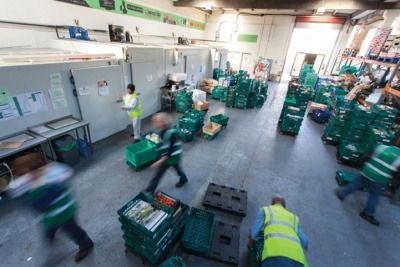
WRAP has today published the findings from its annual surplus food redistribution survey, highlighting the continued growth of food redistribution efforts across the UK. The 2023 survey, based on data from twelve organisations dedicated to surplus food redistribution, highlights an encouraging 15 per cent increase in the amount of food being diverted to those in need, compared to the previous year.In 2023, redistribution organisations reported receiving approximately 191,000 tonnes of surplus food, a substantial rise of around 25,000 tonnes from 2022. This increase in surplus food recovery equates to nearly 456 million meals—enough to make a significant impact for communities across the country. The financial value of this redistributed food is estimated to be around £764 million.WRAP's data also reveals that the majority of surplus food recovered comes from food manufacturers and retailers, representing 82 per cent of all redistributed food. While progress has been strong, certain sectors, such as hospitality and food services, remain underrepresented in the overall contribution to surplus food redistribution, highlighting areas with untapped potential for future gains.Of the food redistributed, around 72 per cent was classified as fit for human consumption without further processing, while the remaining 28 per cent required some form of processing before being suitable for use. WRAP says it will continue to work on identifying solutions to improve the efficiency of accessing and processing surplus food from different sectors.The trend of increasing redistribution reflects the continued efforts of specialist organisations to manage food surplus that might otherwise go to waste. However, despite this progress, WRAP says that there remains more work to be done.WRAP has an ongoing programme to monitor and report surplus food recovery efforts, working with redistribution partners to identify barriers and share best practices. The organisation continues to provide practical guidance and support for organisations involved in food redistribution, aiming to increase the overall impact and bring even more surplus food into the hands of those who need it.More information on WRAP's annual surplus food redistribution data story, including detailed insights into the findings, is available on the WRAP Data Story site.


Get our weekly digest
resource.co article ai

How will the government and DMOs address the challenges of including glass in DRS while ensuring a level playing field across the UK?
There's no easy solution to include glass in the DRS while maintaining a level playing field. Potential approaches include a phased introduction of glass, potentially with higher deposits to reflect its logistical challenges. The government and DMOs could incentivise innovation in glass packaging design and subsidise dedicated return points for glass-handling. Exemptions for smaller businesses unable to handle glass might also be necessary. Any successful solution will likely blend several approaches. It must address the differing priorities of devolved administrations, balance environmental benefits with logistical and cost implications, and be supported by robust consumer education campaigns emphasizing the importance of glass recycling.