

Enfinium and Wasteer partnership brings contaminant detection capabilities to North Wales waste processing operations following a successful pilot trial at Ferrybridge.
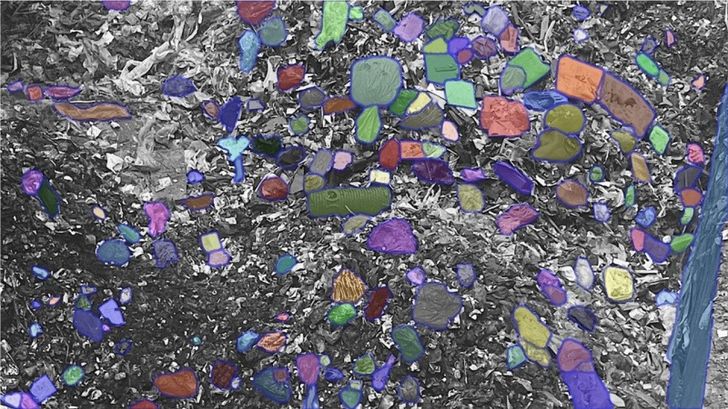
Energy from Waste (EfW) operator, enfinium, has extended its partnership with German software provider, Wasteer, to deploy vision-based artificial intelligence technology at its Parc Adfer facility in Deeside, North Wales.
The technology, which uses camera-imaging to supply a vision model enabling it to automatically analyse incoming waste and detect contaminants, has already been operating in a pilot programme at enfinium’s Ferrybridge 2 facility in West Yorkshire since November 2024.
The Wasteer system employs a proprietary database developed with specialised information tailored for the facility, alongside Large Language Models (LMMs) to analyse waste streams in real time.
When problematic materials are detected, the system issues real-time alerts to facility operators, allowing for immediate intervention. Additionally, the technology records data on waste composition, enabling analysis of trends and patterns over time.
Chris Bebbington, Group Head of Asset Management at enfinium, explained the decision to expand the technology’s use: “At Ferrybridge 2, we were already able to achieve promising results in the validation phase with Wasteer. It was therefore a logical step for us to extend this technology to other plants as quickly as possible.”
“Digital, AI and technology enhancements are at the heart of our asset management strategy, and we are always looking for innovative ways to improve the performance of our plants.”
The automation is expected to allow enfinium to analyse its waste streams more accurately and consistently. According to the operator, the system can also reduce plant downtimes by around 30 per cent, while increasing facility throughput by two per cent.
These improvements come primarily through early detection and prevention of operational issues by identifying problematic materials before they enter critical processing stages.
Benedict von Spankeren, CEO of Wasteer, added: “The initial effort by the pilot plant was very low: we need an internet network on-site and electricity, we take care of everything else. In the following process it's all about learning from each other quickly and efficiently. Of course, we are particularly pleased when, as in this case, we can create trust over time that the use of our technology in other plants and over an extended period of time is worthwhile.”
Enfinium’s Parc Adfer facility is also host to the company’s first carbon capture pilot in the Hynet Industrial Cluster, which began in April 2025.


Get our weekly digest
resource.co article ai

How will the government and DMOs address the challenges of including glass in DRS while ensuring a level playing field across the UK?
There's no easy solution to include glass in the DRS while maintaining a level playing field. Potential approaches include a phased introduction of glass, potentially with higher deposits to reflect its logistical challenges. The government and DMOs could incentivise innovation in glass packaging design and subsidise dedicated return points for glass-handling. Exemptions for smaller businesses unable to handle glass might also be necessary. Any successful solution will likely blend several approaches. It must address the differing priorities of devolved administrations, balance environmental benefits with logistical and cost implications, and be supported by robust consumer education campaigns emphasizing the importance of glass recycling.