

The entry of agency workers into Birmingham's refuse dispute represents an operational complication for the council's contingency arrangements, as the replacement workforce deployed to maintain services during the nine-month strike faces its own grievances over working conditions and alleged blacklisting practices.
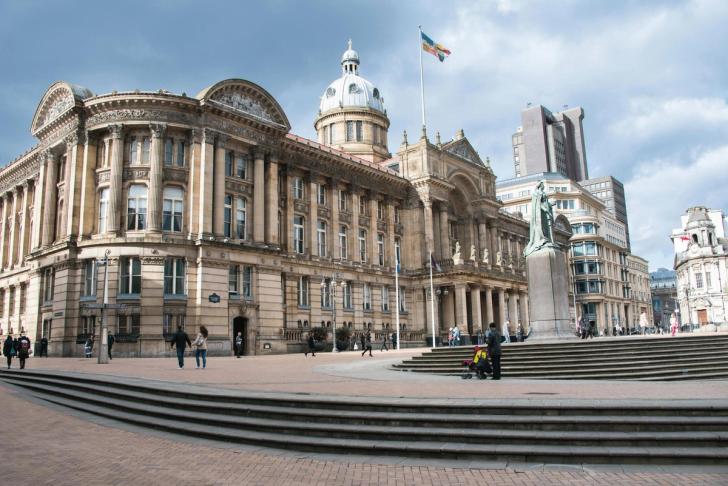
Agency workers employed to provide cover during Birmingham City Council's ongoing refuse strike have voted to join official picket lines from 1 December, marking what Unite the Union describes as an unprecedented development in the long-running dispute.
The 22 agency staff who backed industrial action represent a minority of the replacement workforce employed by Job & Talent, but their decision follows allegations of workplace bullying and a blacklisting scandal that emerged in October. Unite reports the agency workers cited unsustainable workloads and what the union characterises as a "toxic and bullying workplace culture" as reasons for their ballot decision.
The move compounds operational challenges for Birmingham City Council, which has relied on agency staff and private contractors to maintain partial waste services since directly-employed refuse workers began all-out strike action in March 2025. The industrial action by directly-employed staff centres on the council's decision to remove Waste Recycling and Collection Officer roles, changes that Unite states will reduce pay by up to £8,000 annually for affected workers.
Blacklisting allegations emerge
The agency workers' ballot followed a recording that emerged in October showing a Job & Talent manager telling staff that council officials had confirmed workers who refused to cross picket lines would be "banned from permanent roles". The recording specifically named council officials, prompting Unite to demand an independent inquiry into what it termed blacklisting practices.
Job & Talent issued a statement denying any engagement in blacklisting, describing the filmed exchange as an "effort to clarify that no third party can guarantee. A subsequent audit by the Employment Agency Standards Inspectorate concluded with no findings of wrongdoing.
Birmingham City Council similarly stated that its internal investigation "has now concluded and has found that no blacklisting has taken place".
Financial pressures
The dispute has generated substantial costs for the bankrupt authority. Analysis by Trinava Consulting, citing council documents, estimated the strike had cost £14 million by October 2025, comprising £9.6 million in one-off costs for street cleaning and security, plus £4.4 million in lost income from the suspended garden waste service. Forensic accountants working with Unite project the direct cost will reach £15 million by the end of 2025.
Freedom of Information requests revealed that by July 2025, the council had spent £6.5 million on Job & Talent agency staff and £1.3 million on contractor Tom White Waste. The same Trinava report projects total costs of £26 million if the strike continues until its current mandate expires in March 2026.
Birmingham City Council issued a Section 114 bankruptcy notice in September 2023, with a historic equal pay liability estimated between £650 million and £760 million cited as the primary driver.
Equal pay considerations cited
Council leader John Cotton stated the authority had "reached the absolute limit" of what it could offer striking workers, arguing that Unite's demands would create a new equal pay crisis costing "hundreds of millions of pounds". The council maintains that settling with Unite could expose it to fresh equal pay claims from other staff groups.
Unite obtained legal advice from barrister Oliver Segal KC, which the union says shows the council's equal pay concerns are "significantly overstated" and have "little basis in law". The advice argues that a one-off compensation payment to resolve the specific dispute would not create a new equal pay comparator.
Formal negotiations between Unite and the council have not taken place since May 2025, following the collapse of what Unite terms a "ballpark deal" that had been discussed with the council's chief executive.
Birmingham's directly-employed refuse workers have repeatedly renewed their strike mandate, most recently in September 2025 with 99.5 per cent support, extending authorisation for action until March 2026. Unite states the dispute is "set to continue beyond next year's local elections" scheduled for May 2026 unless an agreement is reached.


Get our weekly digest
resource.co article ai

How will the government and DMOs address the challenges of including glass in DRS while ensuring a level playing field across the UK?
There's no easy solution to include glass in the DRS while maintaining a level playing field. Potential approaches include a phased introduction of glass, potentially with higher deposits to reflect its logistical challenges. The government and DMOs could incentivise innovation in glass packaging design and subsidise dedicated return points for glass-handling. Exemptions for smaller businesses unable to handle glass might also be necessary. Any successful solution will likely blend several approaches. It must address the differing priorities of devolved administrations, balance environmental benefits with logistical and cost implications, and be supported by robust consumer education campaigns emphasizing the importance of glass recycling.