

New research from the Swiss Federal Institute of Technology Lausanne’s (EPFL) School of Basic Sciences has revealed a method for the creation of PET-like plastics using biomass waste. According to its developers, the new method shows great promise in meeting the demand for more sustainable options within the plastics industry.
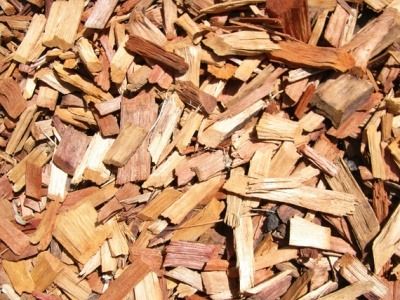
Reportedly the first to no longer rely on edible crops, the new process holds a key advantage over traditional biomass-based plastic-forming methods, solving issues such as high cost, the requirement of high volume, and the cost-intensive separation process demanded of edible biomass. Instead, it can reach similar levels of productivity with much smaller volumes of non-edible biomass and inexpensive chemicals.
Boasting such cost-efficiency, the team predict their plastic material will retail at $1.50 per kilogram, compared to polylactic acid (PLA), which currently markets at around $2.10 per kilogram.
The process relies on lignocellulosic feedstock, such as wood, corn cobs, rice husk, corn stover, grasses, nut shells, fruit pits, and wheat straw. The most successful materials will have a high hemicellulose content, such as corn cob, with the polymer being derived from this component.
The lignocellulosic biomasses, made up of three components, are first ‘cooked’ using three solvents. These will separate solid cellulose and lignin fractions to leave a liquid containing the hemicellulose component, from which the sugar used to form a polymer is sourced.
This method is based on research previously developed by the team in 2016. Not only can the biomass now be stabilised, but more functionalities have also been introduced to add value to the technology. This was achieved by substituting formaldehyde for glyoxylic acid as the main ingredient. By doing so, the end-product is more suitable for polymers, resins, surfactants and adhesives. However, the switch to glyoxylic acid creates slightly longer reaction times to achieve high yields.
Still in its early stages of formulation, researchers have estimated that the new material will be appropriate for use in packaging, textiles, and in medical devices and technology. However, it is expected a confident judgement of its use will take years to reach, as its properties in practice reveal themselves over time.
Licenced by Bloom Biorenewables ltd, the team hopes for the technology to soon run at a scale larger than their current laboratory operations.


Get our weekly digest
resource.co article ai

How will the government and DMOs address the challenges of including glass in DRS while ensuring a level playing field across the UK?
There's no easy solution to include glass in the DRS while maintaining a level playing field. Potential approaches include a phased introduction of glass, potentially with higher deposits to reflect its logistical challenges. The government and DMOs could incentivise innovation in glass packaging design and subsidise dedicated return points for glass-handling. Exemptions for smaller businesses unable to handle glass might also be necessary. Any successful solution will likely blend several approaches. It must address the differing priorities of devolved administrations, balance environmental benefits with logistical and cost implications, and be supported by robust consumer education campaigns emphasizing the importance of glass recycling.