

Material Focus study shows that vape use continues to rise, with the government’s disposable vape ban unlikely to prevent increasing environmental damage.
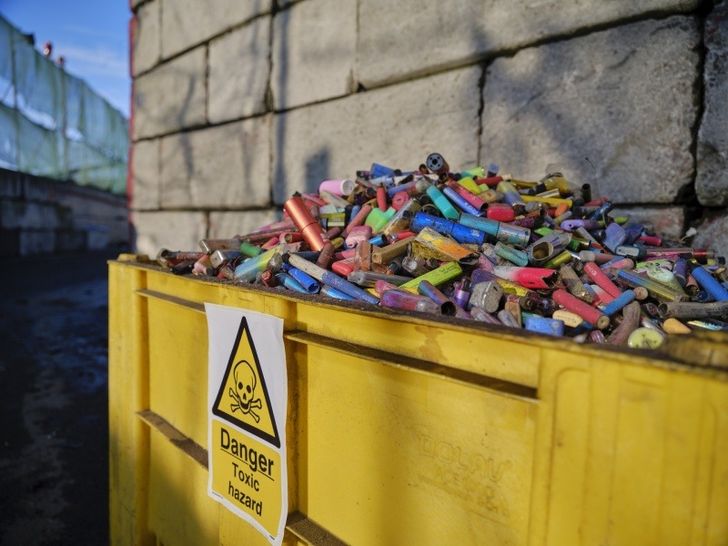
With vape purchases on the rise, the UK government’s recent ban on disposable vapes may not be enough to curb the environmental damage from vape waste, according to new research from Material Focus.
The study found that of the 13.5 million vapes bought per week in 2024, 8.2 million are binned or wrongly recycled. Additionally, 77 per cent of respondents said that they lacked access to clear information about recycling options for vapes.
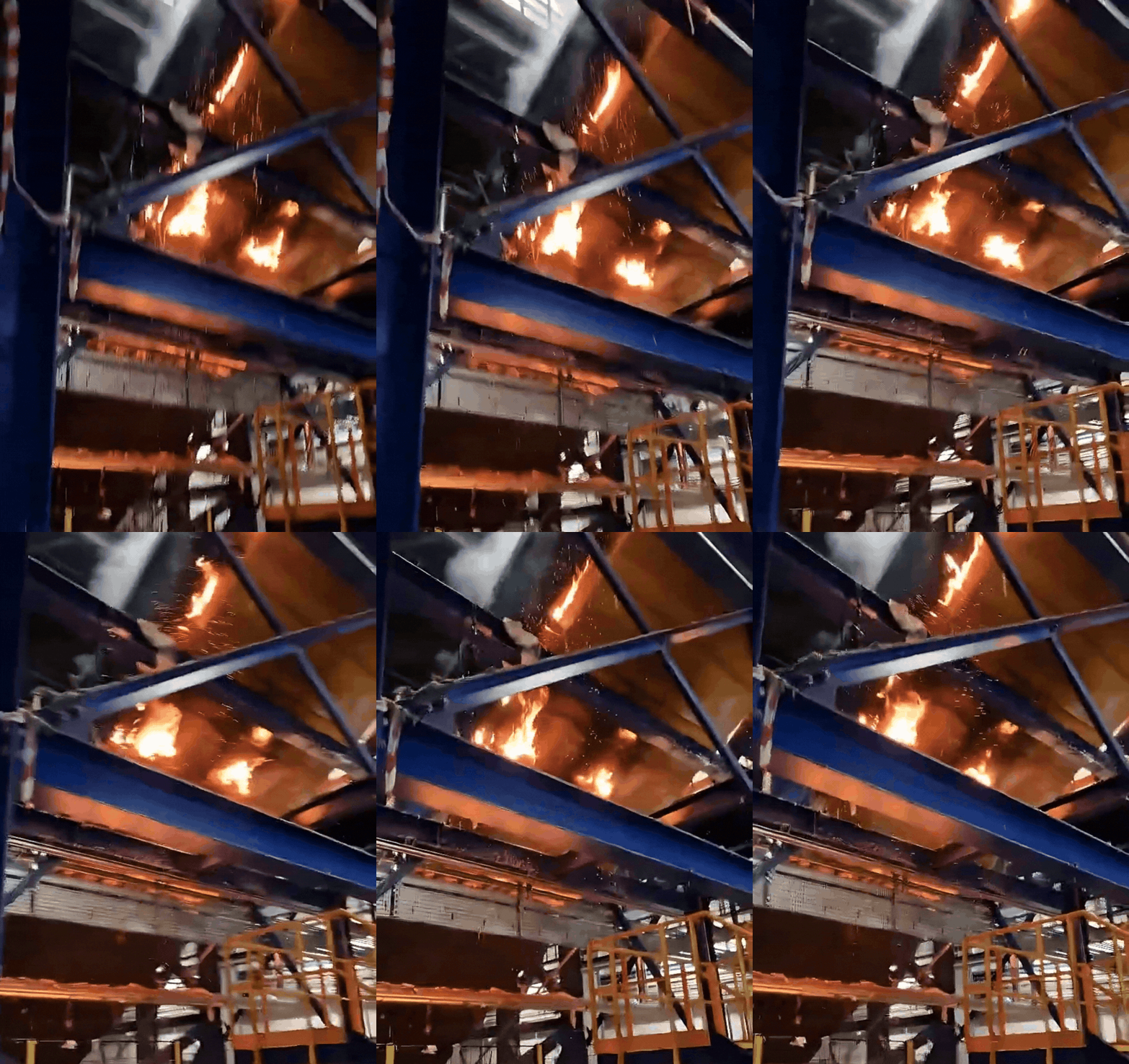
As a result, the number of battery fires has also increased by 71 per cent, going from 700 in 2022 to over 1,200 in the last year. In many of these cases, lithium batteries, which are used to power vapes, appear to be the primary culprits.
Recycling centres and waste management facilities are feeling the impact of these fires, with a NLWA survey revealing that lithium batteries caused 13 waste fires in North London facilities this year, and Sherbourne recycling plant recently experiencing a serious fire attributed to a single-use vape.
Environmental impact
Material Focus warns that despite the disposables ban coming in from June 2025, vapes will continue to cause significant damage as consumers move towards ‘big puff vapes’ - a new alternative without current restrictions.
‘Big puff vapes’ can hold up to 6,000 puffs per vape, compared to an average of 600 per single-use vape. Already, 63 per cent of all vape puffs are taking on ‘big puff’ style vapes, with the style finding popularity with 48 per cent of 16 to 24 year olds and 38 per cent of 35 to 55 year olds.
Scott Butler, Executive Director of Material Focus, expressed concern about these trends: “Vape producers are being infinitely creative with their products in order to avoid the forthcoming disposable vape ban. Whilst the current ban will take some of the most environmentally wasteful products off the market, we might need more flexible legislation to deal with the ongoing challenges of the new products surging onto the market.”
The environmental challenges are not only coming from waste fires, with Material Focus dubbing vapes as ‘one of the most environmentally wasteful, damaging and dangerous consumer products ever made’. Vapes contain rare materials such as copper and lithium, which are regularly being binned.
The study suggests that the lithium inside discarded vapes could instead be used to power over 10,000 electric car batteries each year.
Recycling is the solution
With up to 80 per cent of vape materials being recyclable, more comprehensive recycling and take-back options as well as major awareness campaigns could be the cornerstone of a workable solution.
Material Focus recommends several actions to improve recycling rates:
- Enhanced recycling information: Clearer guidelines on packaging and in stores about vape recycling
- Increased recycling points: More drop-off locations in retail stores, public parks, schools, and other community spaces
- Consumer awareness: Vapers to only shop from places that offer recycling facilities
- Retailer take-back schemes: Mandating in-store collection as part of a licensing system for vape sales.
Butler emphasised the need for these measures: “We need rapid growth in the number of accessible and visible vape recycling drop-off points. And we need proper retailer and producer financing of genuine recycling solutions to recover materials and manage fire risks.”
Material Focus have found success in their Oxfordshire vape recycling scheme, launched in November 2023, which has seen more than two tonnes of disposable vapes collected for recycling (over 80,000 vapes).
The scheme offered multiple collection options, including new kerbside services, new public recycling collection points, and large pink bins placed across waste recycling centres.


Get our weekly digest
resource.co article ai

How will the government and DMOs address the challenges of including glass in DRS while ensuring a level playing field across the UK?
There's no easy solution to include glass in the DRS while maintaining a level playing field. Potential approaches include a phased introduction of glass, potentially with higher deposits to reflect its logistical challenges. The government and DMOs could incentivise innovation in glass packaging design and subsidise dedicated return points for glass-handling. Exemptions for smaller businesses unable to handle glass might also be necessary. Any successful solution will likely blend several approaches. It must address the differing priorities of devolved administrations, balance environmental benefits with logistical and cost implications, and be supported by robust consumer education campaigns emphasizing the importance of glass recycling.