

Viridor has reported its busiest ever January at its materials recovery facility (MRF) in Crayford, after processing 34,841 tonnes of dry mixed recycling last month.
This figure is up 6.8 per cent from last January, when the plant’s output was 32,632 tonnes.
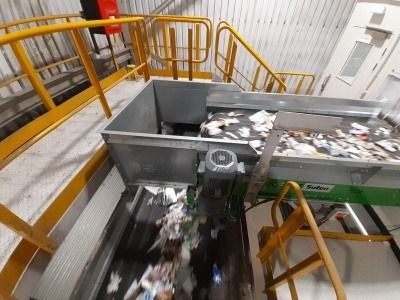
Crayford MRF processes both municipal and commercial dry mixed materials, including paper, card, plastic bottles, cans and glass.
The Crayford plant receives around 318,000 tonnes of co-mingled recyclate annually from 28 local authorities and has noted the biggest output increase overall in fibre and glass recycling.
Viridor expects the plant to increase its input to 335,000 tonnes during this year.
Viridor Managing Director of Recycling, Fleet and Logistics Derek Edwards said the company’s MRFs were used to seeing a ‘significant uplift’ in recycling over the festive period, but this January’s increase ‘went beyond the usual seasonal changes’.
He added: “Lockdown is having a real impact on the volume of material our plants receive and Viridor Lead Unit Manager Adil Braqi and the team at Crayford were well-prepared for this outcome.
“Crucial to the team’s success was robust quality inspection at every stage with a plan in place before January to ensure the plant was able to cope with additional non-target or contaminated material it was receiving.
“Toolbox talks emphasised the importance of achieving high quality output on our materials and the team was supported by Covid-19 control measures prioritising staff safety.
“It’s a fantastic achievement for this hardworking team.”


Get our weekly digest
resource.co article ai

How will the government and DMOs address the challenges of including glass in DRS while ensuring a level playing field across the UK?
There's no easy solution to include glass in the DRS while maintaining a level playing field. Potential approaches include a phased introduction of glass, potentially with higher deposits to reflect its logistical challenges. The government and DMOs could incentivise innovation in glass packaging design and subsidise dedicated return points for glass-handling. Exemptions for smaller businesses unable to handle glass might also be necessary. Any successful solution will likely blend several approaches. It must address the differing priorities of devolved administrations, balance environmental benefits with logistical and cost implications, and be supported by robust consumer education campaigns emphasizing the importance of glass recycling.