

The fire that broke out at Rockcliffe Industrial Estate in Carlisle on 8 October, a facility operated by North West Recycling, has been controlled.
According to North West Recycling, the fire broke out in an industrial building used for storage under an Environmental Exemption, with the company asserting that this was outside of the permit area. Speaking to the BBC, a member of the Cumbria Fire and Rescue Service stated that the building contained around 500 tonnes of shredded mixed plastic. North West Recycling has since confirmed to Resource that 326 tonnes were burnt in the incident. The recycling company has also corroborated claims from the BBC that the material involved would be described as mixed waste, consisting of wood, plastics and household waste.
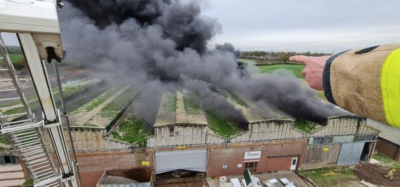
Cumbria County Council confirmed the incident, stating that whilst no injuries were reported, the building was at risk of collapse. Crew from Carlisle East fire station remained at the scene throughout the night, though were advised that it was not safe to enter the building due to it becoming structurally unsound from the blaze.
At the time of the event, local services stated that the fire was anticipated to continue burning for some time. As a result of this, a local primary school was shut, with the police advising residents to close doors and windows to prevent smoke from entering their homes, which had the potential to carry fumes from the subsequent burning of asbestos. The fire service have since stated, however, that ‘the incident has now been handed to the managing agents, and there is no longer any concern with regards to asbestos’.


Get our weekly digest
resource.co article ai

How will the government and DMOs address the challenges of including glass in DRS while ensuring a level playing field across the UK?
There's no easy solution to include glass in the DRS while maintaining a level playing field. Potential approaches include a phased introduction of glass, potentially with higher deposits to reflect its logistical challenges. The government and DMOs could incentivise innovation in glass packaging design and subsidise dedicated return points for glass-handling. Exemptions for smaller businesses unable to handle glass might also be necessary. Any successful solution will likely blend several approaches. It must address the differing priorities of devolved administrations, balance environmental benefits with logistical and cost implications, and be supported by robust consumer education campaigns emphasizing the importance of glass recycling.