

A behaviour change programme to cut the amount of clothing sent for disposal has received an £18,000 grant from Merseyside Recycling and Waste Authority (MRWA) and the Veolia Community Fund.
The Ten Tonne Challenge, run by Toxteth-based education organisation Liverpool World Centre in partnership with environmental charity Faiths4Change, will provide schools and universities with resources to promote actions to reduce textile waste in the area by a target of ten tonnes.
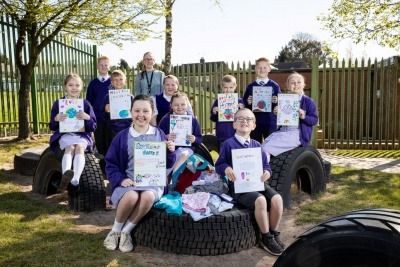
Pablo Guidi, Director at Liverpool World Centre, said: "The whole project will connect children and adults to environmental issues. The educational activities will highlight the life cycle of textiles, including the production and disposal of clothing.
“There has been increased pupil participation in climate change activities. We think that by working with school councils, we can encourage pupils to direct their actions in a positive way. The focus on raising awareness that all textiles can go for reuse or recycling will help give children a belief that the climate emergency can be tackled.”
The project, which has over £25,000 in funding, was launched in December when secondary school students attended a climate conference to identify their own climate actions. Other activities available to schools taking part include awareness-raising assemblies, pop-up boutiques, swap shops and fundraising (through www.recycle4school.org.uk).
The scheme also aims to engage 60 schools in waste education activities and reach 680 schools with a textiles and clothes waste fact sheet. It is estimated that currently 18,000 tonnes of textiles are discarded across the Merseyside area each year.
Carl Beer, Chief Executive of MRWA, commented: “Our research shows that there are high quantities of textiles - such as clothes, carpets, curtains - placed in recycling and household waste bins across kerbside collections in the Liverpool City Region. However, textiles shouldn’t go into bins. Instead, Recycling Centres, charities, local bring banks all accept clothes and textiles where they will go on to be recycled or reused.
“Textiles waste is a big issue with a significant environmental impact – however, projects like the Ten Tonne Challenge can help have a real positive influence to see that waste reduced.”


Get our weekly digest
resource.co article ai

How will the government and DMOs address the challenges of including glass in DRS while ensuring a level playing field across the UK?
There's no easy solution to include glass in the DRS while maintaining a level playing field. Potential approaches include a phased introduction of glass, potentially with higher deposits to reflect its logistical challenges. The government and DMOs could incentivise innovation in glass packaging design and subsidise dedicated return points for glass-handling. Exemptions for smaller businesses unable to handle glass might also be necessary. Any successful solution will likely blend several approaches. It must address the differing priorities of devolved administrations, balance environmental benefits with logistical and cost implications, and be supported by robust consumer education campaigns emphasizing the importance of glass recycling.