

A new £2.5 million fund has been launched to develop infrastructure to make it easier for the public to recycle waste electrical and electronic equipment (WEEE).
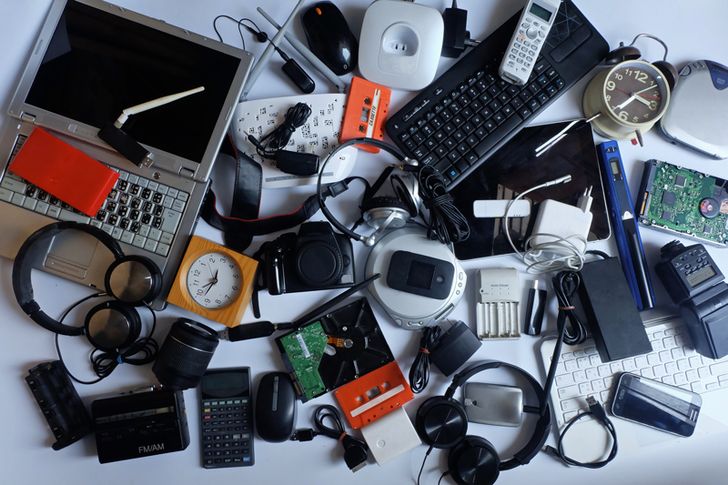
The ‘Electricals Recycling Fund’, established by Material Focus, the not-for-profit that runs the Recycle Your Electricals campaign, aims to support development of existing recycling infrastructure as well as encourage innovation in new ways to collect small WEEE.
According to Material Focus, while almost 80 per cent of the public want to recycle electrical waste only 45 per cent think it is currently easy to do.
One category of the scheme makes £100,000 available for projects to expand household recycling services, such as adding cages under refuse collection vehicles (RCVs) or making a compartment available on a kerbside sort recycling vehicle for operatives to place electricals presented by householders. Or, in the case of flats and houses of multiple occupancy, develop other collection infrastructure.
The other category of the fund - open to a potentially wider range of organisations, including startups and enterprises not conventionally involved in waste management, aims to test new methods for collecting waste electricals. Potential examples, cited by Material Focus, notably highlight reverse logistics, such as companies delivering parcels or other domestic products, removals or house clearance businesses, as well as drop-off sites, such as retail parks, supermarkets, schools, large offices for specialist WEEE collectors to service.
Scott Butler Executive Director of Material Focus said: “This fund provides an exciting opportunity to make it easier for millions more people to recycle their electricals from their doorsteps and to test innovative ways to tackle one of the fastest growing waste streams in the UK and globally.”
Speaking to Resource he added: “155,000 tons of household electricals are lost every year by going into the kitchen bin. And 200,000 tonnes of business electricals are also lost to commercial waste collections. The big barrier, more than awareness, is actually ease of recycling.
“It is particularly a problem in urban areas. For people who don't have a car it’s not so easy. While there is a group of the population who are good recyclers, who go to the civic amenity sites, they have a vehicle, they've got space at home, they can keep stuff until it's ready to take, for a lot of other people it’s not so easy. We know collecting any recycling from houses of multiple occupancy, from flats, is a challenge for any material. So electricals and batteries are in that mix as well.”
Applications for the fund are open until 31 January 2023. More details can be found on the Material Focus website.


Get our weekly digest
resource.co article ai

How will the government and DMOs address the challenges of including glass in DRS while ensuring a level playing field across the UK?
There's no easy solution to include glass in the DRS while maintaining a level playing field. Potential approaches include a phased introduction of glass, potentially with higher deposits to reflect its logistical challenges. The government and DMOs could incentivise innovation in glass packaging design and subsidise dedicated return points for glass-handling. Exemptions for smaller businesses unable to handle glass might also be necessary. Any successful solution will likely blend several approaches. It must address the differing priorities of devolved administrations, balance environmental benefits with logistical and cost implications, and be supported by robust consumer education campaigns emphasizing the importance of glass recycling.