

Defra announces funding support for farmers and charities aimed at preventing 330,000 tonnes of food waste produced each year.
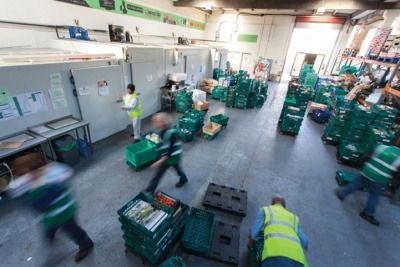
The Department for Environment, Food and Rural Affairs (Defra) has unveiled a £15 million fund to support charities and farms to redistribute surplus produce to communities in need.
The fund, aimed at bridging the gap between farms and not-for-profit food redistribution organisations, looks to prevent the approximately 330,000 tonnes of edible food that is wasted or fed to animals each year.
It also hopes to reduce the costs of food waste management that farmers face, and offer funds to charities that lack the resources to collect and distribute food effectively.
To address these challenges, grants starting from £20,000 will be made available to redistribution services, farms, food banks, homeless shelters, and other hunger-fighting organisations across England.
Successful applicants will be able to use the grants to purchase essential equipment, such as balers or hoppers, to process bulky food items. Funding may also cover technology to improve communication between donors and redistribution charities, and training to enhance staff IT and food safety skills.
Circular Economy Minister, Mary Creagh, emphasised the benefits of the initiative: “Nobody wants to see good food go to waste – especially farmers who work hard to put food on family tables across the country.
“Our new fund will help the charitable sector to work more closely with farmers, helping to find new opportunities to get their world-leading produce to those most in need within our communities.”
The scheme will be supported by the recently announced Circular Economy Taskforce, which has been tasked with creating a roadmap for England’s transition to a circular economy.
The initiative has gained support from the food redistribution and waste sector. Harriet Lamb, CEO of WRAP, commented: “It gives a flying start to the New Year, ensuring that food charities and the farming sector can both make a difference immediately and can develop long term solutions.
Charlotte Hill, CEO of the Felix Project and Kris Gibbon-Walsh, CEO of FareShare, added: “We look forward to acting quickly with the government, the charity sector, and farmers to maximise the impact of this initiative during British growing season, ensuring surplus food reaches as many people as possible.”
The redistribution of surplus food has been gaining momentum in the UK, with almost 200,000 tonnes of food redistributed last year. Valued at £764 million, this surplus has the potential to provide 450 million meals across the country.
Details on the fund’s eligibility criteria and application timelines are yet to be announced.


Get our weekly digest
resource.co article ai

How will the government and DMOs address the challenges of including glass in DRS while ensuring a level playing field across the UK?
There's no easy solution to include glass in the DRS while maintaining a level playing field. Potential approaches include a phased introduction of glass, potentially with higher deposits to reflect its logistical challenges. The government and DMOs could incentivise innovation in glass packaging design and subsidise dedicated return points for glass-handling. Exemptions for smaller businesses unable to handle glass might also be necessary. Any successful solution will likely blend several approaches. It must address the differing priorities of devolved administrations, balance environmental benefits with logistical and cost implications, and be supported by robust consumer education campaigns emphasizing the importance of glass recycling.