

Last week (29 September), ‘The Story of Plastic’ was awarded a News and Documentary Emmy in the category of Outstanding Writing.
Deia Schlosberg, director of the film – which unpacks the full extent of the global plastic pollution crisis – accepted the award on behalf of the crew involved in its production. The piece presents a timeline of the current environmental catastrophe, placing the onus on polluting corporations and debunking the idea that plastic recycling alone can solve the issue.
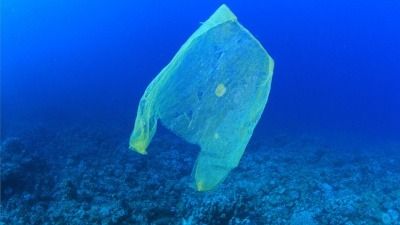
The documentary originally debuted internationally on the Discovery Network on Earth Day 2020. The Story of Stuff production company then rolled out a grassroots distribution campaign, resulting in over 2,000 screenings across 80 nations, before the film was crowd-translated and subtitled in 30 different languages, securing educational and institutional distribution with Outkast Films. Through a partnership with Greenpeace International media library, a catalogue of footage from the film’s production will also be available to movement partners, without cost, in the coming months.
In the wake of receiving the award, the production company posted to their social media accounts: “Awards are nice, but holding corporations to account for their pollution is even better.”
Whilst this win is to be celebrated, the company stresses that it is still vital that the global community recommits to the task of ‘ending our world’s dangerous reliance on petrochemicals and winning justice with and for the communities that have borne the brunt of this toxic material for far too long’.


Get our weekly digest
resource.co article ai

How will the government and DMOs address the challenges of including glass in DRS while ensuring a level playing field across the UK?
There's no easy solution to include glass in the DRS while maintaining a level playing field. Potential approaches include a phased introduction of glass, potentially with higher deposits to reflect its logistical challenges. The government and DMOs could incentivise innovation in glass packaging design and subsidise dedicated return points for glass-handling. Exemptions for smaller businesses unable to handle glass might also be necessary. Any successful solution will likely blend several approaches. It must address the differing priorities of devolved administrations, balance environmental benefits with logistical and cost implications, and be supported by robust consumer education campaigns emphasizing the importance of glass recycling.