

Project pairs in-situ filtration on operating cruise and hotel laundries with laboratory analysis at the Revolution Plastics Institute, with findings due later in 2026.
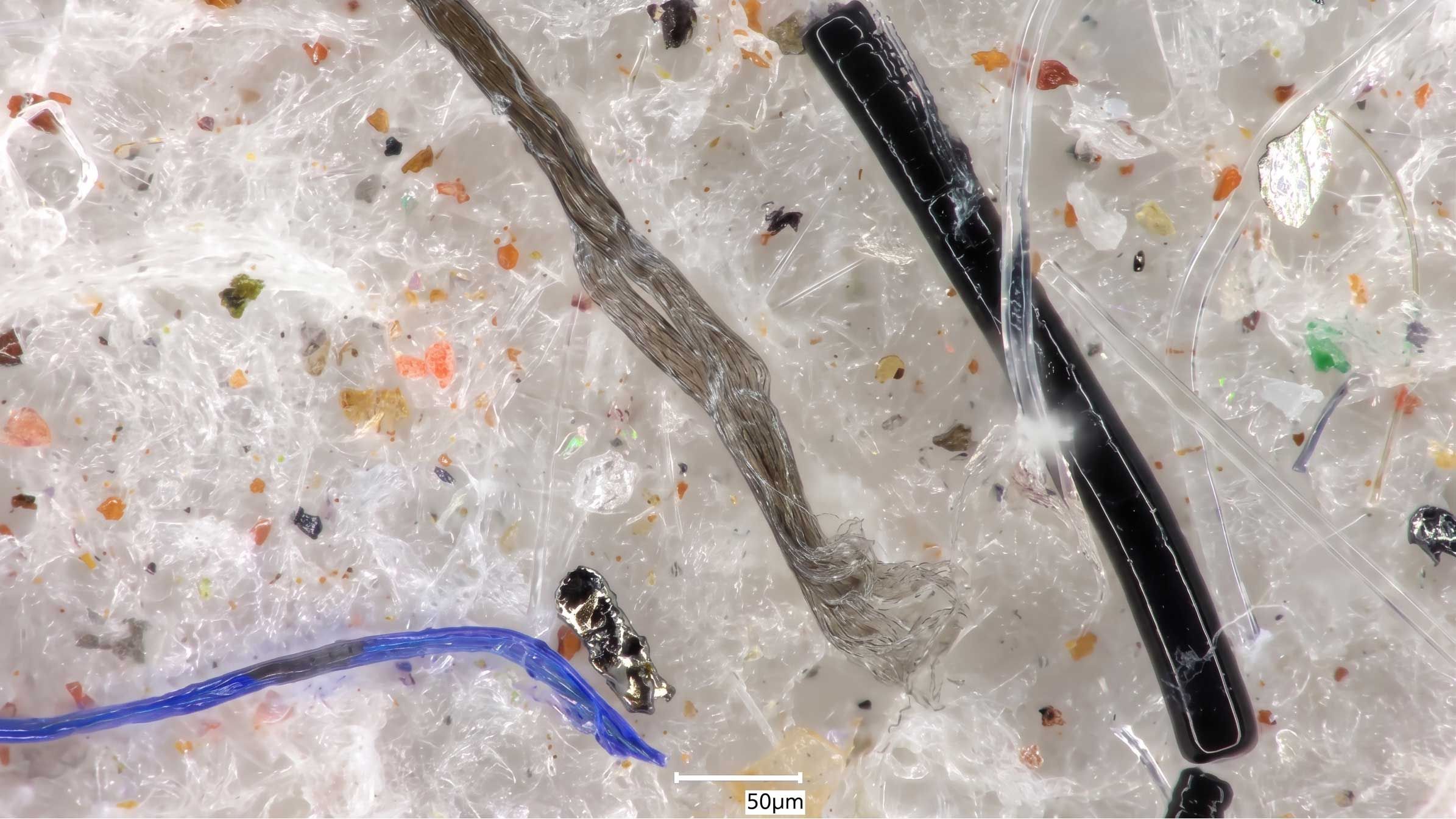
The University of Portsmouth and filtration firm Cleaner Seas Group have begun a four-month in-situ study to measure microfibre release from cruise ship and hotel laundries, and to quantify how much of that pollution can be captured before it reaches waterways.
The project attaches Cleaner Seas Group's industrial filters to washing machines already in commercial operation, with permission from industry partners in the cruise and hospitality sectors. Samples are being analysed at the university's Revolution Plastics Institute using a Keyence VHX digital microscope, with results expected later this year.
A preliminary subsample from the first filter has already captured hundreds of microplastic threads in a space smaller than a pound coin, according to the research team. The study's aim is to build a full dataset on the volume and composition of fibres produced by industrial laundry, and on how effective in-line filtration is at intercepting them.
Large cruise ships generate between 900,000 and 1.2 million litres of greywater a day on vessels carrying around 6,000 passengers and crew, a substantial share of which comes from onboard laundries processing several tonnes of sheets, towels, pillowcases and uniforms. Around 1.7 million UK residents took cruise holidays in 2022, according to figures cited by the researchers.
Previous research has shown that a single domestic wash can shed more than 700,000 microfibres. Industrial laundries, which run at far greater scale and for longer cycles, have been less well characterised.
Research Associate Felicity Webster, from the Revolution Plastics Institute at the University of Portsmouth, is leading the initial investigations. "Even from our very first subsample, we were struck by the sheer number of fibres captured," she said. "Over the coming months, we will build a clearer picture of the volume and composition of fibres produced by industrial laundry, and how effective filtration can be in stopping them."
Professor Fay Couceiro, from the University of Portsmouth's School of Civil Engineering and Surveying, said microfibres have now been recorded in deep ocean sediments and in food. "When you scale this up to cruise ships and hotels processing tonnes of textiles each day, the potential environmental impact becomes enormous. Preventing pollution at source is one of the most effective actions we can take to protect marine ecosystems and reduce long-term environmental harm."
Regulatory pressure on the sector is rising. Under France's 2020 anti-waste law, all new domestic and professional washing machines placed on the French market from January 2025 must incorporate a microfibre-capture solution, the first national mandate of its kind. Around 2.7 million machines are sold in France each year. No equivalent requirement has been set in the UK, though greywater and wastewater discharge from passenger shipping is subject to International Maritime Organization rules under MARPOL Annex V and regional controls.
Dave Miller, chief executive of Cleaner Seas Group, said water and wastewater were already operational issues for cruise and tourism operators. "Microfibre pollution may be invisible, but at scale it cannot be ignored. This is not just about reporting on the problem, it's about taking action, adopting solutions and measuring the impact."
The Portsmouth-Cleaner Seas study is one of a small but growing number of projects attempting to measure microfibre release from industrial settings rather than household machines. Findings are due to be published later in 2026.


Get our weekly digest
resource.co article ai

How will the government and DMOs address the challenges of including glass in DRS while ensuring a level playing field across the UK?
There's no easy solution to include glass in the DRS while maintaining a level playing field. Potential approaches include a phased introduction of glass, potentially with higher deposits to reflect its logistical challenges. The government and DMOs could incentivise innovation in glass packaging design and subsidise dedicated return points for glass-handling. Exemptions for smaller businesses unable to handle glass might also be necessary. Any successful solution will likely blend several approaches. It must address the differing priorities of devolved administrations, balance environmental benefits with logistical and cost implications, and be supported by robust consumer education campaigns emphasizing the importance of glass recycling.