

Reconomy-commissioned research maps the systemic barriers preventing UK brands and retailers from moving textile circularity beyond pilot-stage initiatives.
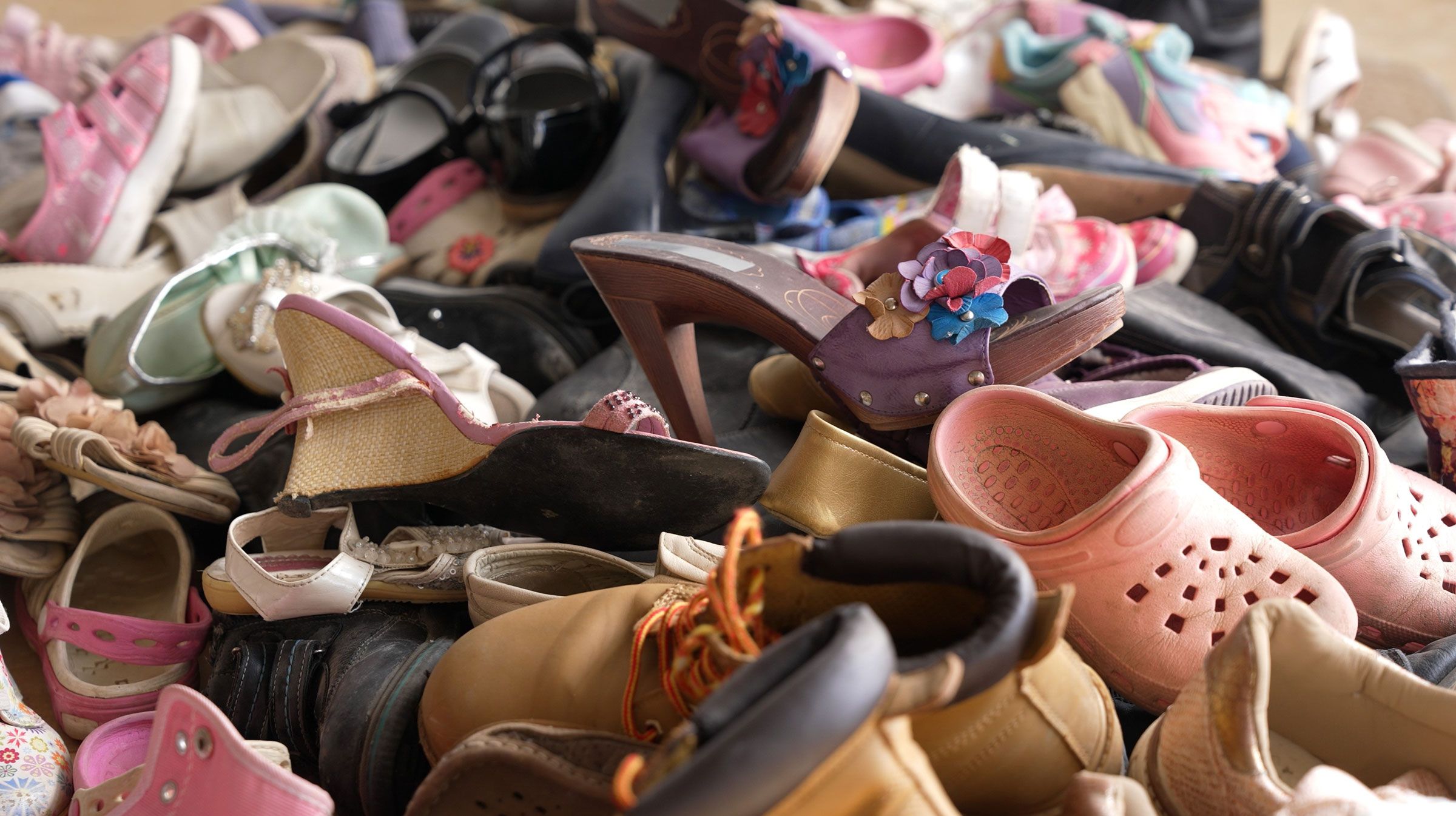
Large volumes of unworn clothes sitting idle in wardrobes are contributing to the same waste problem as garments thrown directly into landfill, according to new research examining barriers to circularity across the UK textiles sector.
The report, published by Reconomy and conducted by consultancy Sancroft, draws on desk research and 18 stakeholder interviews spanning brands, retailers, recyclers, collectors, sorters, regulators, technology providers and civil society organisations. It found that widespread overproduction of low-cost products with low emotional durability is reducing the perceived value of clothing and discouraging care, repair and reuse.
In 2022, the UK generated around 1.45 million tonnes of used textiles, according to WRAP's Textiles Market Situation Report. Of that total, approximately 650,000 tonnes were diverted from residual waste, but 759,000 tonnes were lost to end-of-life streams - predominantly incineration and landfill. Less than eight per cent of fibres came from recycled sources, and under one per cent from pre- and post-consumer recycled textiles.
A Circular Fashion Innovation Network study published last year found that while 81 per cent of surveyed brands include circularity in their five-year strategy, 63 per cent of customer-facing circular initiatives remain at pilot stage. The Reconomy research identifies a similar pattern, attributing it to the absence of industry-wide parameters for circular design. Without shared definitions or performance thresholds, brands and retailers are developing their own frameworks in isolation, making it difficult to measure progress or compare approaches across the sector.
Collection under pressure
Scaling circular models is further complicated by financial pressures across the textile collection and recycling sector. Traditional export markets for used textiles have come under sustained pressure as declining garment quality, saturated resale markets and rising logistics costs have reduced revenues for collectors and sorters. The Salvation Army Trading Company confirmed earlier this year that it would permanently remove all clothing banks from household waste recycling centre sites across the UK, citing market challenges and rising costs.
The UK Textiles Pact, managed by the Waste and Resources Action Programme (WRAP), warned in its January blueprint for a mandatory textile extended producer responsibility (EPR) scheme that without intervention, local authority costs for dealing with textile waste could rise from £73 million to £200 million per year by 2035.
Aimee Campanella, development director for textiles EPR at Reconomy, said: “While brands and retailers recognise this is a business-critical issue and want to accelerate circularity, too many structural barriers stand in the way of adopting solutions that work at scale. We hope this research provides the industry with a better understanding of the barriers and what needs to change to help the sector move beyond pilots to viable circular systems.”
The report identifies eight strategic opportunity areas, from policy engagement and aligned regulation to expanding take-back schemes, scaling sortation and recycling capacity, and improving data flows across the value chain. It notes that these opportunities are highly interdependent - progress in data collection, for example, can unlock results in take-back schemes, recycling and consumer engagement simultaneously.
Footwear receives separate treatment in the research as an area where circularity is particularly underdeveloped. A typical shoe contains more than 60 different components, textiles account for less than 20 per cent of total materials used, and there is currently no widely deployed method to fully recycle a shoe beyond mechanical grinding. Stakeholder interviewees said circularity in footwear would be “driven by necessity” through legislation rather than voluntary action.
In the EU, textiles EPR schemes are being introduced through the revised Waste Framework Directive, with member states required to establish producer responsibility systems. The UK currently has no equivalent deadline, though the government’s Circular Economy Taskforce has been examining textiles as a priority sector.


Get our weekly digest
resource.co article ai

How will the government and DMOs address the challenges of including glass in DRS while ensuring a level playing field across the UK?
There's no easy solution to include glass in the DRS while maintaining a level playing field. Potential approaches include a phased introduction of glass, potentially with higher deposits to reflect its logistical challenges. The government and DMOs could incentivise innovation in glass packaging design and subsidise dedicated return points for glass-handling. Exemptions for smaller businesses unable to handle glass might also be necessary. Any successful solution will likely blend several approaches. It must address the differing priorities of devolved administrations, balance environmental benefits with logistical and cost implications, and be supported by robust consumer education campaigns emphasizing the importance of glass recycling.