

Plymouth facility will become Britain's first commercial refinery for critical battery materials from end-of-life EVs, with construction starting this summer and commissioning targeted for late 2027.
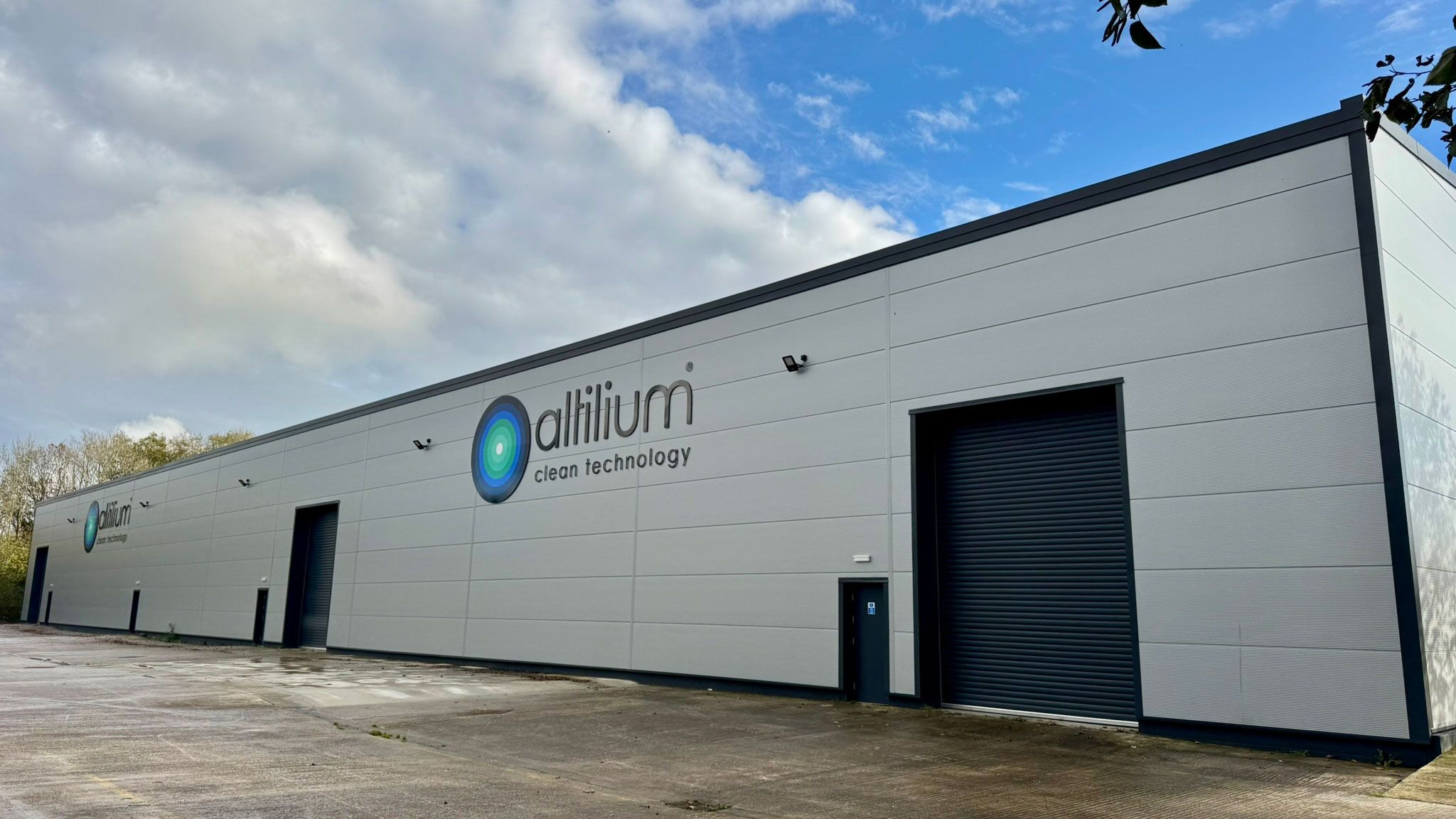
Altilium has been awarded £18.5 million through the UK government's DRIVE35 Scale-Up Fund to build the country's first commercial refinery for recovering critical battery materials from end-of-life electric vehicles. The investment, announced yesterday (9 April), will fund construction of Altilium's ACT3 plant in Plymouth, Devon.
The facility will have capacity to process 24,000 EV batteries a year, producing around 5,200 tonnes of nickel mixed hydroxide precipitate (MHP), 8,000 tonnes of lithium sulphate and 5,400 tonnes of graphite annually, with construction expected to begin this summer and complete at the end of 2027.
ACT3 will bring 70 new jobs to Plymouth, where Altilium already operates the UK's only hydrometallurgical pilot plant for EV battery recycling. The refinery is intended to underpin the company's industrial-scale ACT4 plant in Teesside, which is designed to process scrap from 150,000 EVs a year and produce 30,000 tonnes of cathode active materials annually, enough to meet around 20 per cent of projected UK demand by 2030.
Altilium also announced a separate DRIVE35 grant on the same day, funding a joint research project with JLR and the University of Warwick's Manufacturing Group (WMG). The collaboration will produce and test EV battery pouch cells containing both cathode and anode materials recovered from end-of-life batteries, which the company describes as a UK first. Recycled content in the test cells will meet the EU's minimum thresholds that come into force in 2036, requiring 26 per cent recycled cobalt, 12 per cent recycled lithium and 15 per cent recycled nickel.
A domestic route for critical minerals
The UK currently has no at-scale capacity for refining battery waste, and spent batteries are exported to Asia for processing. According to the Advanced Propulsion Centre UK (APC), which delivered the DRIVE35 funding alongside the Department for Business and Trade and Innovate UK, battery scrap from portable electronics, manufacturing scrap and end-of-life EVs is on course to reach 110,000 tonnes by 2035. The UK Critical Minerals Strategy forecasts that domestic lithium demand will rise 1,100 per cent over the same period.
Altilium's hydrometallurgical process recovers more than 95 per cent of cathode metals and 99 per cent of graphite from end-of-life batteries, and an independent lifecycle assessment found that the recycled materials carry up to 74 per cent lower emissions than mined alternatives. Indonesia is currently the largest global supplier of nickel MHP, while China dominates the refining of lithium and graphite, leaving British carmakers exposed to supply chain disruption and cost volatility.
"By scaling our recycling technology and building the UK's first commercial facility of its kind, we are closing the loop on battery materials and enhancing the growth, productivity and competitiveness of the UK automotive supply chain," said Dr Christian Marston, co-founder and COO of Altilium.
The £18.5 million grant is expected to unlock further private finance. Altilium has already raised more than £17 million from investors including SQM Lithium Ventures, Marubeni Corporation and Mizuho Bank. DRIVE35 is part of the government's Advanced Manufacturing Sector Plan, which makes £4 billion of grant funding available for automotive R&D and scale-up by 2035.


Get our weekly digest
resource.co article ai

How will the government and DMOs address the challenges of including glass in DRS while ensuring a level playing field across the UK?
There's no easy solution to include glass in the DRS while maintaining a level playing field. Potential approaches include a phased introduction of glass, potentially with higher deposits to reflect its logistical challenges. The government and DMOs could incentivise innovation in glass packaging design and subsidise dedicated return points for glass-handling. Exemptions for smaller businesses unable to handle glass might also be necessary. Any successful solution will likely blend several approaches. It must address the differing priorities of devolved administrations, balance environmental benefits with logistical and cost implications, and be supported by robust consumer education campaigns emphasizing the importance of glass recycling.