

New data from RECOUP reveals the majority of English local authorities are preparing to collect flexible plastics at kerbside, though tight timelines and weak recycling end markets pose real risks to the rollout.
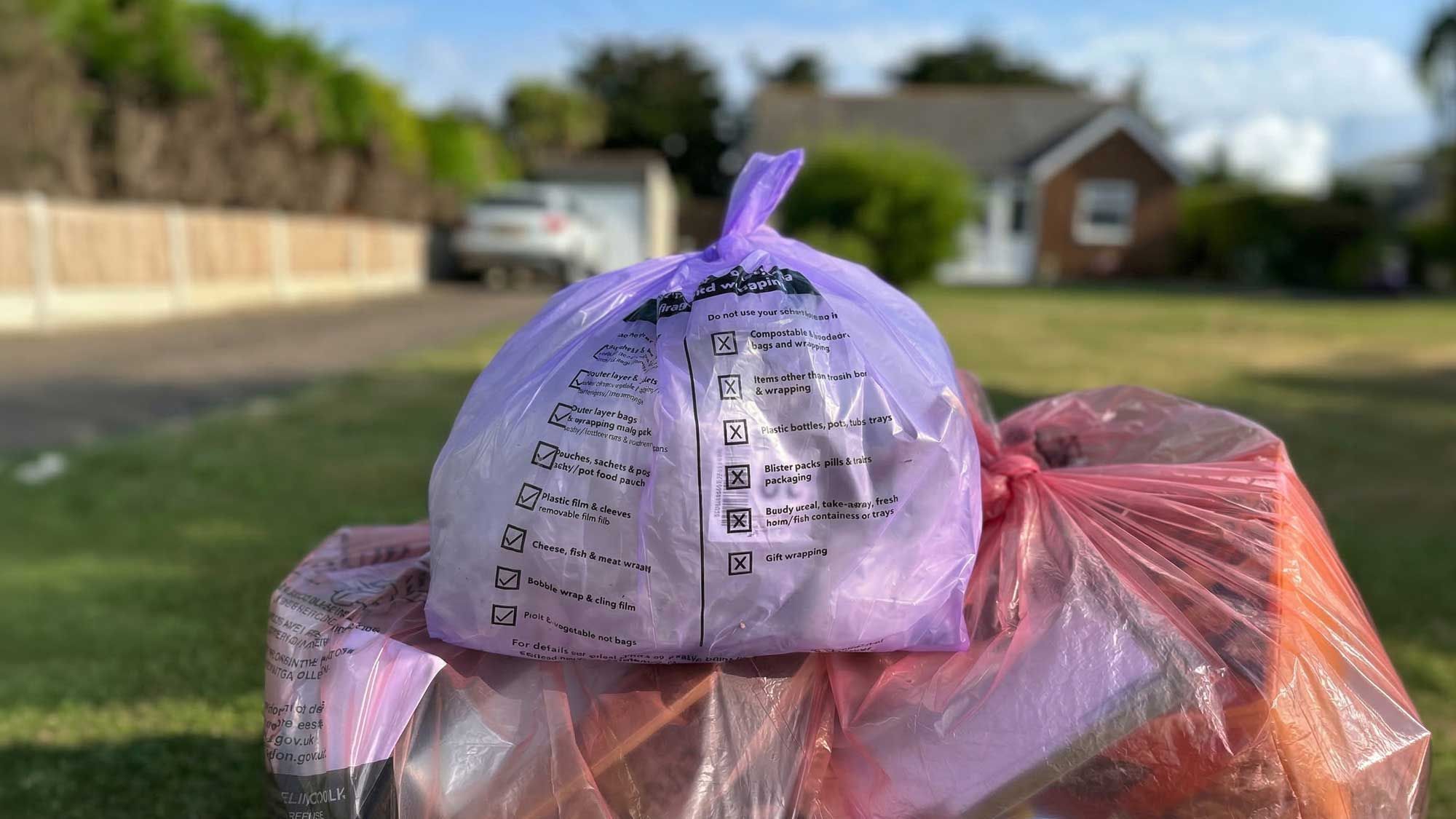
Nearly four in five English local authorities that do not yet collect plastic film at kerbside plan to introduce the service by the 31 March 2027 Simpler Recycling deadline, according to RECOUP's annual UK Household Plastic Packaging Collection Survey.
The survey found that 78 per cent of English councils without a kerbside flexible plastic packaging collection intend to have one in place on or before the legislative deadline. But many are leaving it late. Two thirds expect to launch in early 2027, and almost half are targeting the deadline day itself. One in five say they do not intend to have a service running by the required date.
As of April 2025, only 16 per cent of UK local authorities tell residents they can recycle plastic films at kerbside, a two percentage point rise on the previous year. All but one of the new adopters are in England, which suggests the shift has been driven largely by the upcoming legislative requirement rather than voluntary action. In 2024, an estimated 31,000 tonnes of plastic film was collected for recycling from 420,500 tonnes placed on the market, a collection rate of seven per cent.
End markets concern
While the FlexCollect project, which ran trials across ten pilot local authorities and more than 160,000 households, has shown that collecting and sorting flexible plastics can work in practice, a lack of economically viable recycling end markets remains a barrier. The RECOUP survey found that 60 per cent of local authorities yet to collect plastic films and flexibles lack confidence in finding end markets for the material, a concern shared by 29 per cent of those already running kerbside collections.
At the heart of the issue, domestic reprocessors face commercial pressures competing with low-cost imports of virgin packaging and unverified recycled-content packaging produced in countries with lower operating costs. RECOUP's survey noted that addressing this imbalance and making the UK a competitive location for recycling investment remains a challenge.
Steve Morgan at RECOUP said: “The relatively quick transition to collecting and recycling flexible plastic packaging is the most significant change for household recycling kerbside collections since they began in the 1990s. Sourcing commercially viable recycling end markets is essential, and although packaging EPR does not financially support end markets, they need to be an integral consideration for both PackUK and local authorities.”
Pots, tubs and trays progress
The picture is brighter for other plastic formats. Kerbside collections of plastic pots, tubs and trays rose four percentage points to 93 per cent of local authorities. This increase is likely linked to the Simpler Recycling requirement for English councils to collect these formats by 31 March 2026, though eight per cent of English authorities were still not doing so at the time of the survey. Plastic bottle collection remains universal, a position first reached in 2019.
Local authorities are also preparing to communicate changes to residents. The survey found 83 per cent plan to run waste or recycling communication campaigns between mid-2025 and April 2026, with Simpler Recycling reforms among the most common themes. RECOUP noted that significant inconsistency persists in messaging, including on whether residents should leave lids on or off bottles and whether packaging should be rinsed, washed, flattened or squashed.


Get our weekly digest
resource.co article ai

How will the government and DMOs address the challenges of including glass in DRS while ensuring a level playing field across the UK?
There's no easy solution to include glass in the DRS while maintaining a level playing field. Potential approaches include a phased introduction of glass, potentially with higher deposits to reflect its logistical challenges. The government and DMOs could incentivise innovation in glass packaging design and subsidise dedicated return points for glass-handling. Exemptions for smaller businesses unable to handle glass might also be necessary. Any successful solution will likely blend several approaches. It must address the differing priorities of devolved administrations, balance environmental benefits with logistical and cost implications, and be supported by robust consumer education campaigns emphasizing the importance of glass recycling.