

The Association of Directors of Environment, Economy, Planning and Transport (ADEPT) has released its 19th waste impact report into the impact of Covid-19 on waste services in English local authorities.
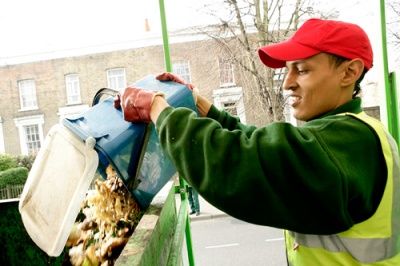
The latest survey was undertaken the week beginning 1 March and found that food waste collections remain the worst hit collection service, with 35 per cent of collection authorities reporting ongoing problems, up 7 per cent increase from the previous report.
Elsewhere, 21 per cent of collection authorities reported minor disruption to core refuse collection services and 23 per cent reported minor or moderate disruption to core recycling services.
The results show that the Covid-19 pandemic continues to test collection authorities with the difficult task of negating a decrease in staff availability while dealing with an increase in waste arisings and a rising demand for waste services.
The main reason for staff shortages continues to be due to self-isolation, which is responsible for 44 per cent of cases, followed by social distancing measures (38 per cent) and sickness (31 per cent).
According to the latest report, 78 per cent of authorities are reporting food waste tonnages to be greater than usual, which increases to 95 per cent of authorities for the current recycling waste tonnages.
Such rises are likely to be caused by the increased time people are spending at home, due to lockdown restrictions and the increase of working from home opportunities.
Both the rise in recycling tonnage and ongoing social distancing measures are likely to have contributed to the big increase in reported disruption to Household Waste Recycling Centre service provision, with only 31 per cent of councils reporting that this service is currently operating normally, down from 40 per cent reported in the previous survey.
The report also expects the recent improved weather to have played a part in this increased demand for recycling centres.
Following the publication of the latest report, Steve Palfrey Chair of ADEPT’s Waste Group commented: “Waste services continue to experience levels of disruption mostly due to the impacts of staff absence, whether through sickness or self-isolation.
“The fact that the volume of domestic waste and recycling has increased significantly almost certainly reflects the shift in workplace pattern, with many more people consistently working from home over the past year.
“This is borne out by a corresponding reduction in commercial waste, reflecting the impacts of lockdowns and social distancing requirements on business premises.
“Again, I would like to thank our teams for working so hard through such a lengthy lockdown period to maintain services despite such difficult circumstances.”


Get our weekly digest
resource.co article ai

How will the government and DMOs address the challenges of including glass in DRS while ensuring a level playing field across the UK?
There's no easy solution to include glass in the DRS while maintaining a level playing field. Potential approaches include a phased introduction of glass, potentially with higher deposits to reflect its logistical challenges. The government and DMOs could incentivise innovation in glass packaging design and subsidise dedicated return points for glass-handling. Exemptions for smaller businesses unable to handle glass might also be necessary. Any successful solution will likely blend several approaches. It must address the differing priorities of devolved administrations, balance environmental benefits with logistical and cost implications, and be supported by robust consumer education campaigns emphasizing the importance of glass recycling.