

Defra and the devolved governments are seeking views on measures to level the playing field between domestic reprocessors and exporters, cancel improperly issued PRNs and bring brokers under regulatory oversight for the first time.
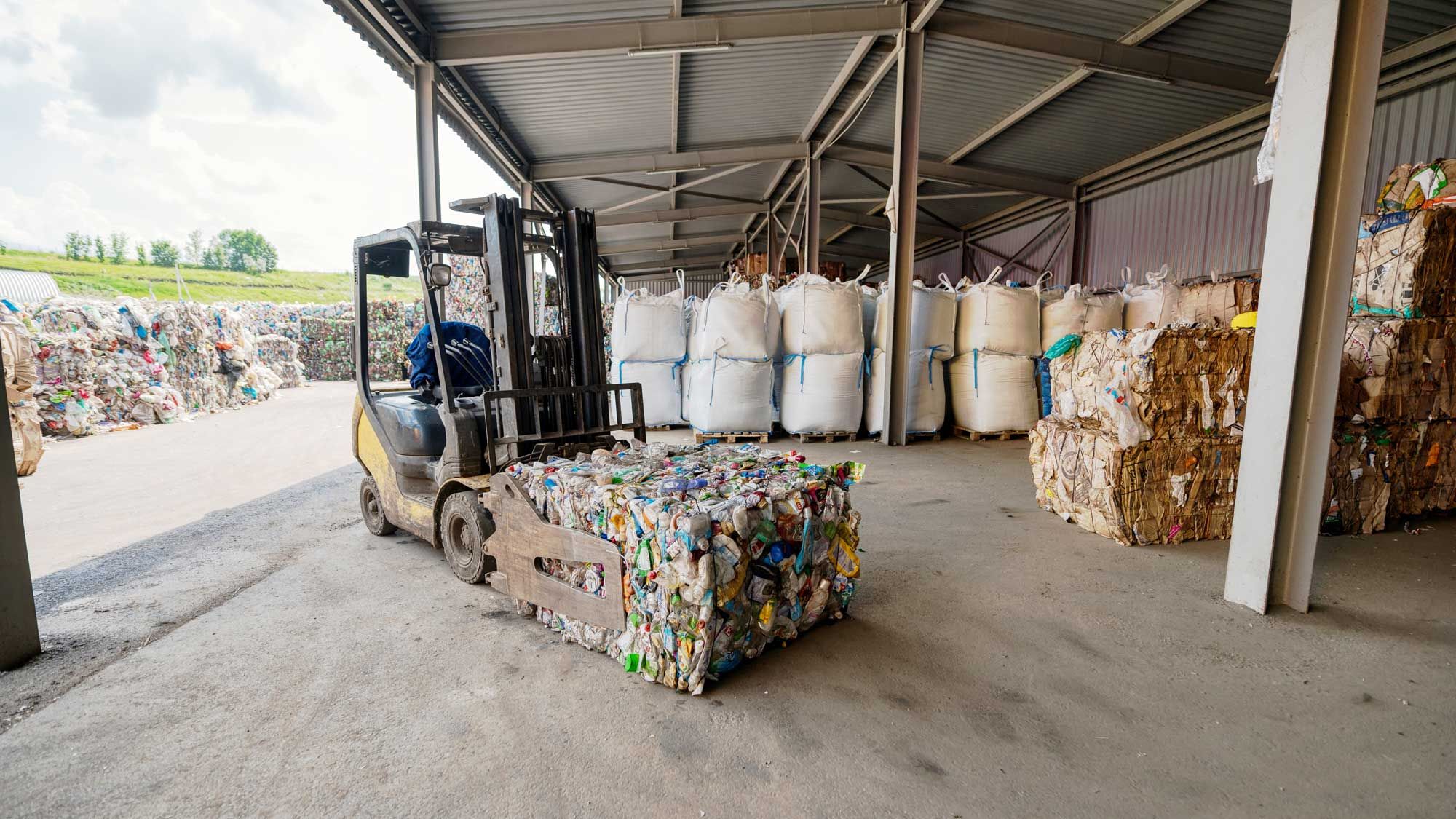
The four UK governments have launched a joint consultation on the long-overdue reform of the Packaging Waste Recycling Note (PRN) system, proposing measures to reduce fraud, improve transparency and support domestic reprocessing.
The consultation, which opens today (24 March) and runs until 5 May 2026, sets out five areas of proposed reform. These include clarifying what proportion of packaging waste can count towards a PRN or Packaging Waste Export Recycling Note (PERN); updating the industry-agreed formulas used to calculate that proportion, many of which have not been revised for years despite changes in packaging design and consumption patterns; giving regulators powers to cancel improperly issued PRNs and PERNs; introducing compliance mechanisms for exceptional circumstances; and requiring brokers and trading platforms to register with regulators for the first time.
The consultation document cites concerns about fraud and error within the system, noting that dodgy PRNs and PERNs create an oversupply of evidence that depresses prices and reduces revenue for legitimate operators. Reports by the Environmental Investigation Agency have previously identified significant discrepancies between UK customs data on plastic waste exports and the tonnages claimed through PERNs, suggesting large-scale overclaiming.
The proposals have been co-designed with industry through a sprint group involving organisations including the British Plastics Federation, British Glass, the Recycling Association, the Environmental Services Association and several compliance schemes.
Levelling the playing field?
A central concern raised by domestic reprocessors is that exporters can claim PRNs on packaging waste before it has been fully sorted and cleaned, giving them an advantage. The consultation confirms that from the start of the 2027 compliance year, PRNs and PERNs should only be issued on the tonnage of packaging waste ready to enter the final recycling process - the “recyclable proportion” - whether material is reprocessed domestically or exported.
However, the stricter interpretation will not apply until the 2027 compliance year. Regulators will work with businesses that have been operating under different readings of the regulations during 2026, meaning the playing field will remain uneven in the interim.
The government is also proposing that nationally agreed protocols and Agency Agreed Industry Grades (AAIGs), which determine the percentage of packaging that can be claimed on a PRN, should be time-limited and reviewed at least every three years.
Where protocols are used, the recyclable proportion should be set at the lower range of what reprocessors and exporters report through their own sampling and inspection plans, to prevent operators claiming more through a generic formula than they could justify with measured data. However, this approach would still allow the most contaminated loads to be assessed against a benchmark more generous than their actual quality, effectively giving the worst-performing material a technical uplift.
Cancelling fraudulent PRNs
Under the current regulations, there is no explicit power for regulators to cancel PRNs or PERNs that have been improperly issued. The consultation proposes amending the regulations to address this, and sets out two options: a mandatory duty requiring regulators to cancel any PRN or PERN they conclude has been improperly issued on the balance of probabilities, or a discretionary power allowing regulators to decide case by case.
The document acknowledges that late cancellations within a compliance year could leave producers and compliance schemes unable to demonstrate they have met their statutory recycling obligations. To mitigate this, the consultation also proposes two compliance mechanisms. The first is a fee mechanism, which would allow producers to apply to pay a fee as an alternative means of meeting obligations where PRN availability is genuinely insufficient. The second is a year-end extension, allowing evidence from the following compliance year to count towards the previous year’s obligations.
Either mechanism would require ministerial approval across all four nations and is intended as a last resort, not an alternative to purchasing PRNs.
Bringing brokers into scope
Up to 25 per cent of all PRNs and PERNs are currently acquired through the trading platform t2e, and brokers are a primary route to market for many producers. Yet brokers and trading platforms currently operate without registration or reporting obligations equivalent to those placed on producers, compliance schemes and accredited reprocessors.
The consultation proposes mandatory registration for all brokers, with a tiered annual fee based on tonnages traded. Brokers would be required to submit quarterly data reports covering volumes, transaction prices and counterparty details. New offences and civil penalties would apply for failure to register, non-compliance with reporting obligations, or provision of false data. All registered brokers would appear on a publicly accessible register maintained by regulators.
The document notes that “blind” trading on platforms, where buyers and sellers do not know each other’s identity until a deal concludes, has created vulnerabilities. These include reduced regulatory visibility of intermediary transactions and the potential for artificial price inflation and hoarding of PRNs.
Transparency and future reform
The consultation also proposes publicly disclosing supplementary information when a reprocessor or exporter accreditation is suspended or cancelled. Regulators already publish these actions on the Public Register of accredited businesses, but the proposals would add detail on the reason for the action and the severity of the breach. This is intended to help compliance schemes and producers conduct due diligence when purchasing PRNs.
A second consultation on wider PRN system reform is planned, covering what many in the sector would regard as the heavier structural interventions: minimum material sorting standards for exports and material-specific domestic reprocessing targets. The government notes that the case for these measures is “greatest for plastic and glass” given the challenges of reprocessing those materials and suspected levels of fraud. A WRAP analysis has forecast a capacity gap of 324,000 tonnes per year for plastic packaging reprocessing infrastructure by 2035 if exports remain at current levels. Without those sorting standards and targets, the measures in this consultation are largely about tightening measurement and enforcement rather than redirecting material flows towards domestic reprocessors.
While packaging Extended Producer Responsibility (pEPR) now requires producers to fund the cost of collecting and sorting household packaging, PRNs serve a distinct purpose: they are the mechanism through which the UK demonstrates it is meeting its statutory recycling targets across all packaging, not just consumer waste. The revenue from PRN sales - over £92 million in 2024, according to the consultation document - flows to reprocessors and exporters, providing the commercial incentive to invest in recycling capacity. That makes the integrity of the evidence system central to whether the UK can close a growing domestic reprocessing gap, particularly for plastics. The Plastic Packaging Tax, currently set at £228.82 per tonne for packaging containing less than 30 per cent recycled content, is adding further commercial pressure: producers need verified recycled material to reduce their tax liability, and the PRN system is the primary route through which that recycling is evidenced.
In 2021 the domestic reprocessing sector was valued at more than £7 billion and employed approximately 21,200 people. The government says domestic reprocessors reported spending more than £60 million of PRN revenue on infrastructure and capacity in 2024, based on NPWD data, though this is self-reported and the definition of qualifying expenditure is broad.
Responses can be submitted via Defra’s Citizen Space platform or by email to packaging@defra.gov.uk. The consultation closes on 5 May 2026.




Get our weekly digest
resource.co article ai

How will the government and DMOs address the challenges of including glass in DRS while ensuring a level playing field across the UK?
There's no easy solution to include glass in the DRS while maintaining a level playing field. Potential approaches include a phased introduction of glass, potentially with higher deposits to reflect its logistical challenges. The government and DMOs could incentivise innovation in glass packaging design and subsidise dedicated return points for glass-handling. Exemptions for smaller businesses unable to handle glass might also be necessary. Any successful solution will likely blend several approaches. It must address the differing priorities of devolved administrations, balance environmental benefits with logistical and cost implications, and be supported by robust consumer education campaigns emphasizing the importance of glass recycling.