

New research from RECOUP has highlighted the importance of recycling data collection and communication of plastics recycling in delivering kerbside consistency.
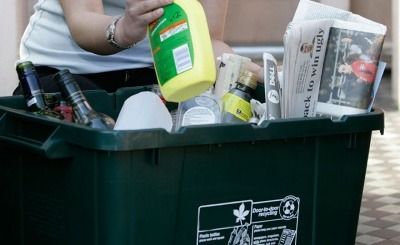
Since July 2021, the charity has worked alongside 13 Kent Councils in a ‘live lab’ project to understand plastics recycling communications and behaviours. This has also allowed for a greater understanding of citizen perspectives and analysis of ‘plastics capture, sorting, and data analysis on a regional basis’.
The project uncovered inconsistencies in ‘various information touch points for citizens’ regarding plastics recycling. As a result, RECOUP has expressed the need for on-pack labelling, brands and retailers, local authority websites and media to use the same terminology and messaging.
Involved in the research were 1900 parish councillors, 700 schools, 17,500 school children, 18 resident/advisory groups and 16 high street locations. It also saw 678,000 household leaflets delivered, 170,000 community magazines distributed, a reach of over 680,000 on social media and the collation of over 3,000 citizen insights surveys.
The research was part-funded by Innovate UK, part of UKRI and industry partners, Kent Resource Partnership, Veolia, Ecosurety, British Plastics Federation, Plastics Europe, and PPS Recovery Systems. It was also supported by Ocado, Sainsbury’s and OPRL.
Anne Hitch, Head of Citizen and Stakeholder Engagement at RECOUP, said: “This project has provided some fascinating insights into the relationship between messaging and behaviours alongside other influences.
“The good news is people want to do the right thing and if we can provide consistent and accurate messaging across all platforms, we believe we can really start to see sustained behaviour change.
“However, communications messaging must be based on sound data therefore, it is critical that across the whole of the UK we are measuring and classifying target and non-target materials in a unified way.”
Sally Ward, Manager at The Kent Resource Partnership, commented: “This project has provided such valuable information in relation to attitudes to plastics in general as well as plastic recycling.
“It has helped, not only to shape residents’ views but also to change behaviours. This has led to an increase in plastic recycling in Kent to the highest in the UK.
“The project not only delivered communications to assist in removing confusion of plastic recycling, but it explored how residents can be encouraged to reduce, reuse, and recycle plastics.
Adrian Whyle, Resource Efficiency Senior Manager at Plastics Europe, added: “Plastics Europe greatly appreciate INNOVATE’S foresight in funding this multi-stakeholder collaborative project through their Smart Sustainable Plastic Packaging Fund. Without such support research at this scale would not be possible.
“This research has provided unique insights as to how we can strive to reach our goals for the collection of increased volumes and qualities of recyclates from households. We need more high-quality recyclates to reach our Circular Economy goal.
“Through the dissemination of the “lessons learnt” from this pivotal research, municipalities and local authorities will be able to accelerate the increased collection of higher quantities and qualities of materials from households for recycling”.


Get our weekly digest
resource.co article ai

How will the government and DMOs address the challenges of including glass in DRS while ensuring a level playing field across the UK?
There's no easy solution to include glass in the DRS while maintaining a level playing field. Potential approaches include a phased introduction of glass, potentially with higher deposits to reflect its logistical challenges. The government and DMOs could incentivise innovation in glass packaging design and subsidise dedicated return points for glass-handling. Exemptions for smaller businesses unable to handle glass might also be necessary. Any successful solution will likely blend several approaches. It must address the differing priorities of devolved administrations, balance environmental benefits with logistical and cost implications, and be supported by robust consumer education campaigns emphasizing the importance of glass recycling.