

Financial think tank Planet Tracker New has announced that its latest research may provide a solution to the problem of plastic waste, ‘whereby packaging is treated as an asset rather than a liability’.
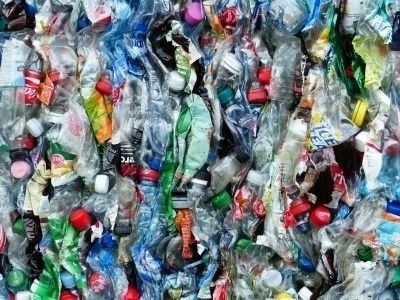
According to the organisation, companies treat packaging as an ‘asset’ up until the product reaches consumers at the point of purchase. From here, the ‘corporate asset becomes a liability’ for the consumer or local municipality, which is responsible for its disposal.
As predicted in The Organisation for Economic Co-operation and Development’s (OECD) ‘Plastic Outlook: Policy Scenarios 2060’, global plastic waste could triple by 2060. It also warned that consumption could rise from 460 million tonnes (Mt), in 2019, to 1,231 Mt in 2060 due to the ‘absence of bold new policies’.
However, Planet Trackers' findings highlight the possibility of increased packaging recycling, ‘if packaging remained an asset of the producer or seller throughout its life’ – also potentially contributing towards a circular economy.
Continued ownership of the packaging asset by the product company is a more practical solution than the current model, the think tank says, with a ‘right of use and requirement to return’ taken on by the end consumer, establishing a modern ‘rent-not-own’ model.
The research also suggests that the proposed approach could bring financial advantages. For example, improved profitability and cash generation as a result of lower packaging input costs, greater balance sheet strength by growing the asset base and additional profit if packaging assets aren’t returned and where deposit levels exceed the cost.
Global reuse platform LOOPA is currently trialling a similar strategy. Partnerships included in the scheme to ‘eliminate the very concept of waste’ are Procter and Gamble, Unilever and Coca-Cola as well as leading food retailers like Tesco and Carrefour.
Planet Tracker says that this solution offers scope for a new out-sourced, third-party packaging industry to emerge, which could help commonality and scale.
John Willis, Director of Research at Planet Tracker, said: “It’s abundantly clear that the plastics industry must find a way to urgently transition to a circular economy. A shift in mindset, away from viewing waste as a liability, is a practical way to ensure physical flows of packaging are redirected to reuse and recycling models and could be the step change required to achieve a circular economy.
"Planet Tracker’s proposed model represents a financial solution to the waste crisis that will ensure waste is valued rather than discarded”.


Get our weekly digest
resource.co article ai

How will the government and DMOs address the challenges of including glass in DRS while ensuring a level playing field across the UK?
There's no easy solution to include glass in the DRS while maintaining a level playing field. Potential approaches include a phased introduction of glass, potentially with higher deposits to reflect its logistical challenges. The government and DMOs could incentivise innovation in glass packaging design and subsidise dedicated return points for glass-handling. Exemptions for smaller businesses unable to handle glass might also be necessary. Any successful solution will likely blend several approaches. It must address the differing priorities of devolved administrations, balance environmental benefits with logistical and cost implications, and be supported by robust consumer education campaigns emphasizing the importance of glass recycling.