

The second Amazon Sustainability Accelerator is now open to start-ups creating more sustainable consumer products and – for the first time – those developing technologies that can help the industry recycle products more effectively and efficiently.
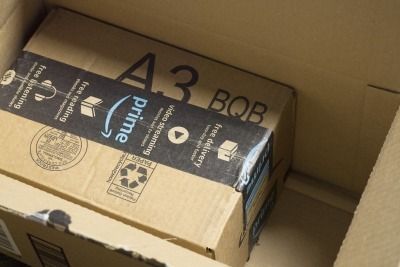
Launched by Amazon, climate innovation hub EIT Climate-KIC, and climate action NGO WRAP, the accelerator is a 12-week bespoke programme designed to help founders navigate the challenges of starting and scaling a sustainable business. The programme includes expert-led virtual and in-person workshops, specialised mentorship, a tailored curriculum, and access to a network of like-minded founders.
Amazon will also work with participants to complete a Climate Impact Assessment from Impact Forecast which will evaluate their business’ potential climate impact and develop strategies to become even more environmentally friendly. Participants will also receive a £10,000 equity-free grant, US$25,000 Amazon Web Services (AWS) credits, and free office space in London and Berlin.
Applications are open until 17 March for start-ups that meet one of the below two criteria:
- Recycling Technologies – For the first time, Amazon Sustainability Accelerator is seeking start-ups with promising technologies that can help the recycling industry leap forward, including new technologies that tackle yet-to-be-solved recycling challenges, or technologies that significantly improve on existing tools, such as advanced sortation machinery and waste management data systems.
- Consumer Products – Amazon Sustainability Accelerator is also welcoming start-ups building physical products that help people live more sustainably. The products must be quantifiably more sustainable than existing products, such as being made with more recycled or upcycled materials, made with reduced carbon emissions, and helping consumers reduce, reuse or recycle. Participants will also work with the Amazon Launchpad team to help them refine their business strategy and help them scale.
Participants in the Consumer Products cohort will also receive free access to Amazon Launchpad for one year, including account management and marketing via the Amazon Launchpad storefront.
At the end of the programme, both the Recycling Technologies and Consumer Products cohorts will have the opportunity to pitch their business to an audience of seasoned investors to help them build connections and raise further funding.
Richard Swannell, interim CEO at WRAP, commented: “We are delighted to be working with Amazon to help scale up its sustainability efforts through the Accelerator programme.
“This expert support will be invaluable for many start-ups at a critical time in their development and help to fast-track our next generation of sustainability innovators. Our vision is a thriving world in which climate change is no longer a problem, and this programme will help sustainable product development and improve recycling infrastructure. Both are key in delivering the circular economy we so urgently need.”
Dr. Kirsten Dunlop, Chief Executive Officer at EIT Climate-KIC, added: “We need radical collaboration between industry and business, policy makers, and financiers to both connect innovative solutions to one another and shape new markets to bring about bold systemic change.
“Our Accelerator programmes set out innovation challenges that encourage entrepreneurs to put these systemic challenges at the very heart of their business solutions. At EIT Climate-KIC, we look forward to this new edition of the Amazon Sustainability Accelerator and to the new solutions that will create opportunities to connect into large-scale, systemic implementation.”


Get our weekly digest
resource.co article ai

How will the government and DMOs address the challenges of including glass in DRS while ensuring a level playing field across the UK?
There's no easy solution to include glass in the DRS while maintaining a level playing field. Potential approaches include a phased introduction of glass, potentially with higher deposits to reflect its logistical challenges. The government and DMOs could incentivise innovation in glass packaging design and subsidise dedicated return points for glass-handling. Exemptions for smaller businesses unable to handle glass might also be necessary. Any successful solution will likely blend several approaches. It must address the differing priorities of devolved administrations, balance environmental benefits with logistical and cost implications, and be supported by robust consumer education campaigns emphasizing the importance of glass recycling.