

Landfill bans, long-term contracts and rising disposal taxes across EU member states leave little room for waste to shift downward from incineration, according to analysis for Zero Waste Europe.
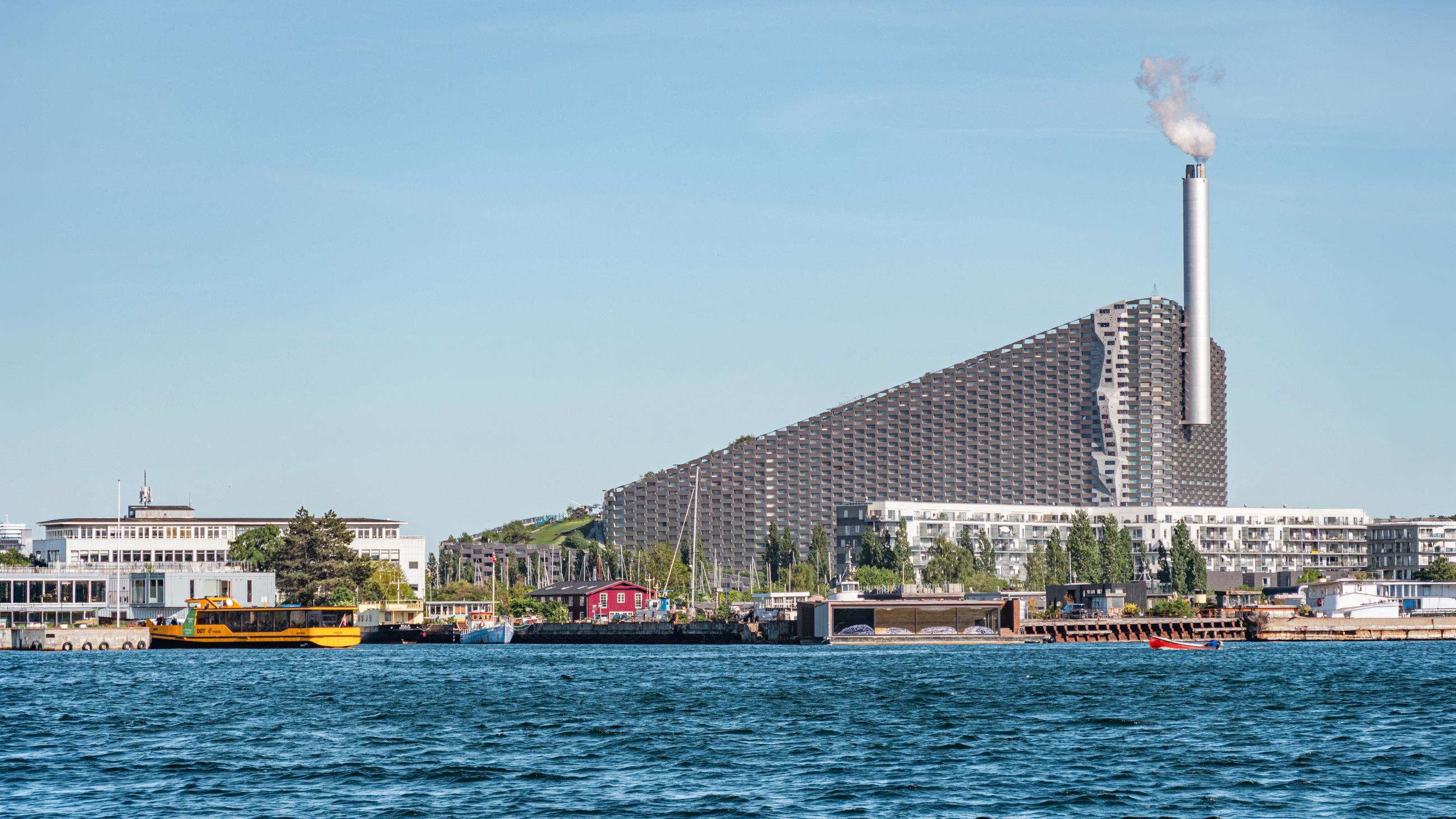
Landfill bans, long-term incineration contracts and rising disposal taxes across Europe mean there is little realistic prospect of waste shifting from incinerators to landfill if a carbon price is applied to incineration under the EU Emissions Trading System (EU ETS), according to a report published by Zero Waste Europe. The environmental network examined how waste systems across all 27 member states would respond to the additional cost.
Eight member states already landfill less than five per cent of their municipal waste, and together they account for 54 per cent of all EU incineration. Regulatory restrictions have effectively closed off landfill as an option in these countries. In the four member states responsible for most of the remaining incineration - France, Italy, Spain and Poland - landfill taxes have risen sharply in recent years, in several cases by more than the projected EU ETS cost increase of around 35 euros per tonne.
The report, written by Dr Dominic Hogg of Equanimator Ltd, comes as the European Commission prepares its own assessment, required by 31 July 2026 under Article 30 of the EU ETS Directive, on whether municipal waste incineration plants should enter the trading system from 2028. Industry groups have argued that putting a carbon price on incineration could make landfill relatively cheaper, but the analysis finds that infrastructure, legal frameworks and contractual obligations constrain waste flows far more than short-term price movements.
A modest cost increase in a rigid market
Combusting mixed waste produces roughly one tonne of CO2 per tonne of waste, approximately half of it from fossil-origin materials such as plastics. At current EU Allowance prices of around 70 euros per tonne of CO2, EU ETS inclusion would add approximately 35 euros per tonne to incineration gate fees. In many member states, recent landfill tax increases have already exceeded that figure.
Most incineration capacity is locked into long-term contracts between operators and municipalities, typically running for 20 years or more, with penalties for redirecting waste. Even where spot market capacity exists, competition between incinerators and landfills is shaped by national policy rather than price alone.
In Belgium, just 0.3 per cent of municipal waste is landfilled. Across the eight low-landfill states, bans on untreated waste and restrictions on combustible material going to landfill have been in place long enough to reshape infrastructure entirely. France has recently raised its landfill tax to 65 euros per tonne, an increase comparable to the projected EU ETS cost. Poland's landfill tax has risen to 97 euros per tonne as incineration plants have been constructed and landfill has declined. In Italy, a Court of Justice of the European Union (CJEU) ruling means virtually no waste can be landfilled without effective treatment, with costs for the biological route reported at 120 to 160 euros per tonne. Spain remains an outlier, with no nationwide pre-treatment requirement and significant regional variation, but incinerators there are frequently tied to regional strategies and commitments.
"Price signals alone do not determine waste flows in Europe," said Janek Vahk, Zero Pollution Policy Manager at Zero Waste Europe. "The combination of landfill restrictions, taxes, and policy obligations means that a shift to landfill is not only expensive, but heavily restricted by Europe's policy framework."
Recycling rather than landfill
The report argues that the more likely outcome of EU ETS inclusion is a shift towards recycling, not landfill. The carbon cost will fall most heavily on fossil-derived waste streams, particularly plastics, creating a financial incentive to sort these materials out before incineration. Removing high-energy plastics from the mix also reduces the calorific value of what remains, allowing incinerators to process more tonnage from the same thermal capacity.
The picture looks different in south-eastern Europe. Bulgaria, Romania, Croatia, Cyprus, Latvia, Malta and Greece all landfill more than 90 per cent of their residual municipal waste, which might suggest they are most vulnerable to further diversion. But there is very little incineration in these countries to divert from. Together, the 13 member states outside the main incineration blocs account for just six per cent of all EU municipal waste incineration.
Several of these countries are subject to infringement proceedings related to the Landfill Directive's pre-treatment requirements. Bulgaria, Croatia, Cyprus, Greece, Hungary, Malta, Portugal, Romania and Spain have yet to introduce national requirements aligned with the CJEU's interpretation of what constitutes adequate treatment prior to landfilling. Were that enforcement gap to close, the report argues, the price differential between landfill and incineration would narrow or disappear in many of these member states without any need for the EU ETS to be the mechanism.
The report recommends that the Circular Economy Act should include stronger enforcement of the Landfill Directive's pre-treatment requirements, continued use and strengthening of landfill taxes, and policies to reduce residual waste generation. It also proposes that the Landfill Directive's definition of 'treatment' be amended to align with the CJEU ruling, and suggests consideration of a methane credit scheme to fund activities reducing fugitive emissions from legacy landfill sites.


Get our weekly digest
resource.co article ai

How will the government and DMOs address the challenges of including glass in DRS while ensuring a level playing field across the UK?
There's no easy solution to include glass in the DRS while maintaining a level playing field. Potential approaches include a phased introduction of glass, potentially with higher deposits to reflect its logistical challenges. The government and DMOs could incentivise innovation in glass packaging design and subsidise dedicated return points for glass-handling. Exemptions for smaller businesses unable to handle glass might also be necessary. Any successful solution will likely blend several approaches. It must address the differing priorities of devolved administrations, balance environmental benefits with logistical and cost implications, and be supported by robust consumer education campaigns emphasizing the importance of glass recycling.